

CDC Reports Rise in Cannabis-Related ER Visits in Michigan and Nationwide
New diagnosis code reveals tripling of emergency department visits for Cannabinoid Hyperemesis Syndrome, raising questions about cannabis use and public health monitoring.
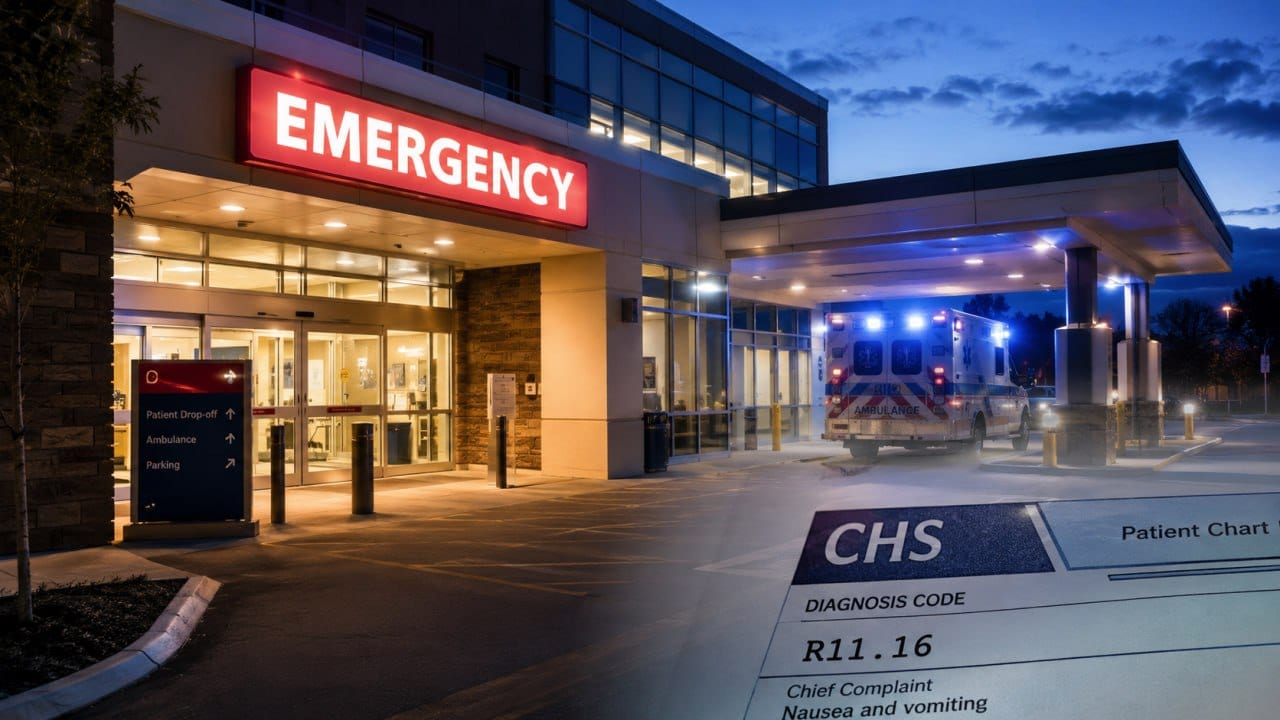
New Data Reveals Growing Health Concern
A new diagnosis code created by the Centers for Disease Control and Prevention is shedding light on a medical condition linked to cannabis use that is sending more people to emergency rooms across Michigan and the United States.
The findings, published August 6 by the CDC, focus on emergency department visits involving Cannabinoid Hyperemesis Syndrome (CHS) between January 2023 and May 2026. CHS is described by health officials as cycles of severe nausea, vomiting, and abdominal pain tied to cannabis use.
Tracking a Previously Hidden Condition
For years, researchers say CHS was difficult to track in emergency room data because there was no specific diagnosis code for it. That changed in October 2025, when hospitals began using a new billing code, R11.16, to record cases labeled as such by medical staff.
The CDC's analysis found that emergency department visits involving CHS more than tripled in the months after the code went into use, rising to an average of about 12 per 10,000 visits from roughly three per 10,000 in the nearly three years before.
What This Means for West Michigan
Dr. Alana Vivolo-Kantor, associate director for science in the CDC's Division of Overdose Prevention and the study's lead author, said the data is preliminary but points to concerning trends that warrant attention from both healthcare providers and the public.
Health officials emphasize that while the data shows an increase in documented cases, it is unclear whether this represents an actual rise in CHS cases or simply better tracking of a condition that has existed for years.
Local Cannabis Industry Responds
West Michigan cannabis business owners are paying close attention to the new data. Industry representatives note that CHS primarily affects heavy, long-term cannabis users and is relatively rare among casual consumers.
Local dispensaries say they are committed to educating customers about responsible use and potential health risks, including information about CHS symptoms and when to seek medical attention.
Understanding the Symptoms
CHS typically develops in people who use cannabis daily or near-daily over extended periods. The hallmark symptoms include:
• Recurring cycles of severe nausea and vomiting • Abdominal pain and cramping • Relief from hot showers or baths (a unique characteristic of CHS) • Symptoms that resolve when cannabis use stops
Health officials urge anyone experiencing these symptoms to seek medical attention, especially if they have a history of regular cannabis use.
Public Health Implications
The new CDC data raises important questions about cannabis regulation, public health education, and healthcare system preparedness. As more states legalize cannabis for recreational use, understanding and addressing potential health impacts becomes increasingly important.
Public health experts in Michigan say the data underscores the need for continued research, patient education, and healthcare provider training to recognize and treat CHS effectively.
Frequently Asked Questions
Q: What is Cannabinoid Hyperemesis Syndrome (CHS)? A: CHS is a medical condition characterized by cycles of severe nausea, vomiting, and abdominal pain that is linked to heavy, long-term cannabis use. It primarily affects people who use cannabis daily or near-daily over extended periods.
Q: Why did CHS-related ER visits triple according to the CDC? A: The increase likely reflects better tracking rather than a sudden surge in cases. In October 2025, hospitals began using a specific diagnosis code (R11.16) for CHS, allowing health officials to document cases that previously went unrecorded or were categorized differently.
Q: How can someone tell if they have CHS? A: Key symptoms include recurring severe nausea and vomiting, abdominal pain, and unusual relief from hot showers or baths. If you experience these symptoms and use cannabis regularly, you should consult a healthcare provider. Symptoms typically resolve when cannabis use is discontinued. |
Stay up to date with our local news!
Get articles like this delivered to your inbox.
Subscribe Now
Oct 8, 2026
DENSO gives $250,000 to Battle Creek Housing Fund
A housing fund donation from DENSO marks 40 years in Battle Creek and supports a goal to build or rehabilitate 1,000 homes by 2035.

Oct 7, 2026
Battle Creek police standoff follows cruiser theft
A police standoff in Battle Creek ended with an arrest after a man allegedly stole a patrol vehicle during an attempted break-in response.
Oct 7, 2026
Battle Creek pedestrian crashes leave one dead
Pedestrian crashes in Battle Creek left one man dead and another critically injured as police investigate a hit-and-run.

Oct 7, 2026
Warm October Weekend Ahead After a Cooler Midweek in Battle Creek
Sunshine dominates the seven-day forecast as temperatures dip into the 60s before rebounding into the mid-70s this weekend
3 Comments
Join the conversation
Or they just finally gave it a name so now it gets counted.
Exactly, prior to October 2025, there was no specific code for CHS, so the increase in tracked cases likely reflects better documentation rather than a sudden surge in the condition.
Willie T.That’s kind of what the article says, right? I bet there were a lot of people who had these symptoms before and never got the right label for it.