

Take a Coffee Trip Around the World Without Leaving Home
Explore how coffee origin, processing and roast can change the cup, then create a simple around-the-world coffee tasting at home.
Disclosure: Some links in this article are affiliate links. Cereal City Buzz may earn a commission if you make a purchase, at no additional cost to you.
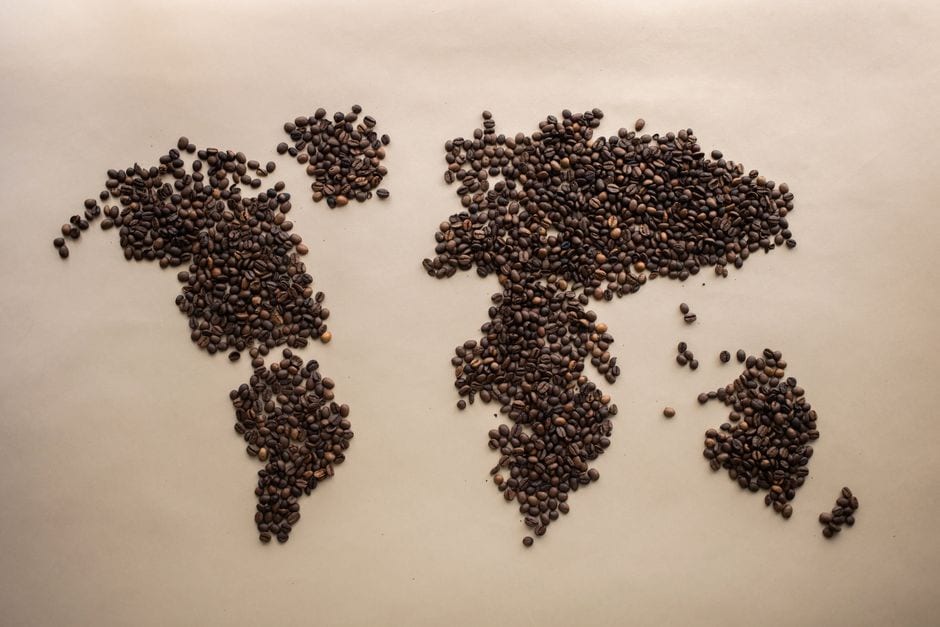
You can travel a surprising distance before breakfast without packing a suitcase. Brew a coffee from Ethiopia one morning, Colombia the next and Indonesia after that, and the same kitchen can become a small tour of the world's coffee-growing regions.
The fun is not in memorizing which country is "supposed" to taste like chocolate or berries. Coffee is more complicated than that. The Specialty Coffee Association points to origin, producer, growing practices and processing methods alongside flavor, aroma and mouthfeel when describing what makes a coffee distinctive.
In other words, the name of the country on the bag is the beginning of the story, not the end.
Why coffees from different places can taste differentCoffee is an agricultural product. Variety, elevation, temperature, soil, rainfall and farming practices can all play a part before the fruit is ever picked. Research summarized by the SCA has found relationships between environmental conditions such as altitude and sensory attributes, while also emphasizing that coffee quality is shaped by many interacting factors.
Then comes processing. Coffee beans are actually seeds inside coffee cherries. Producers have to remove the fruit and dry those seeds before they can be shipped and roasted. Washed, natural, honey and newer fermentation approaches can produce different results. Recent SCA research on post-harvest processing describes how microbial activity and changes inside the seed during processing can ultimately affect cup quality.
And then the roaster gets a turn. Roast level can have a major effect on what you taste. The SCA's Coffee Decoded discussion of roast color explains that roasting creates many of coffee's characteristic aromas and flavors through chemical reactions triggered by heat.
So what should you look for?Start with the label. Look for a country, and when available, a region, farm or producer. Notice the processing method and roast. Then read the tasting notes, but treat them as clues rather than ingredients.
If a bag says citrus, cocoa or berry, that usually does not mean those flavors were added. It is language people use to describe aromas and flavors they perceive in the coffee. The SCA's sensory work encourages tasters to describe fragrance, aroma, flavor, aftertaste, mouthfeel, sweetness and acidity in a consistent way.
The easiest way to learn is comparison. Brew two coffees the same way and taste them side by side. You may notice one feels heavier, another brighter, another sweeter. You do not need professional vocabulary. "I like this one better" is a perfectly useful first tasting note. |
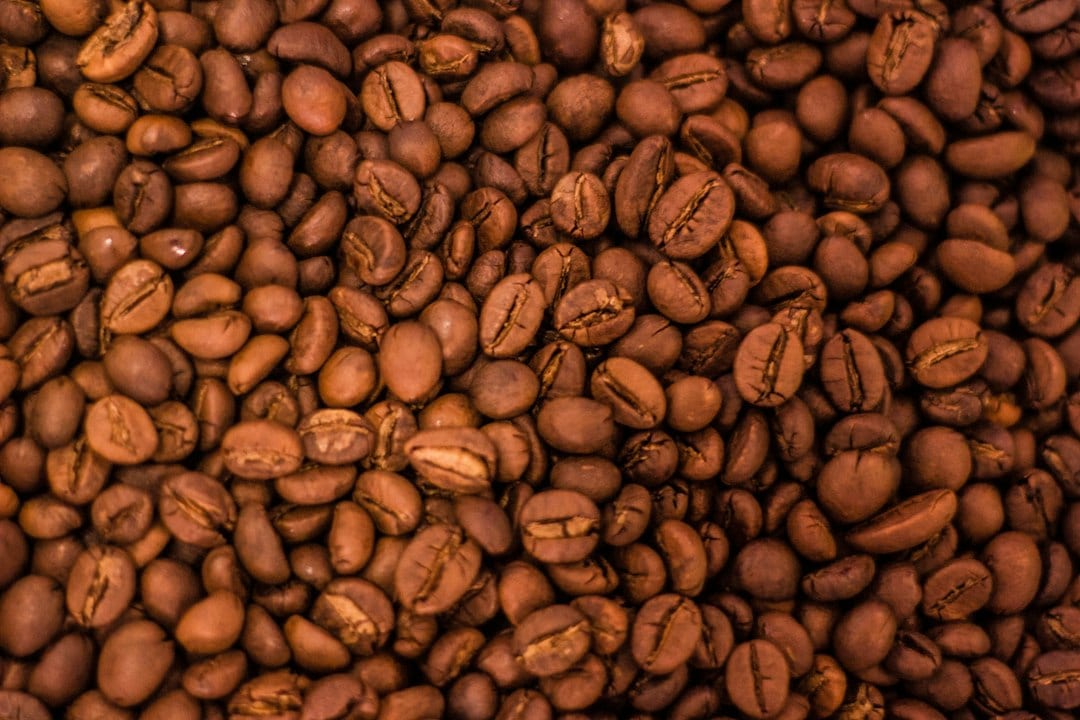 Comparing coffees side by side is one of the easiest ways to notice differences in aroma, acidity, sweetness and body. Photo by Kurniawan Adhi on Unsplash |
Make your own world coffee flightA sampler can make this experiment easy because you do not have to buy several full-size bags. One option is the Atlas Coffee Club Coffee Sampler Gift Set, an eight-coffee set designed around different origins and accompanied by postcards and tasting-note cards. It is a natural choice if you want the tasting to feel a little more like a guided trip.
The UNIQBITE World Coffees Gift Set takes a six-origin approach. The product presentation includes coffees identified with Guatemala, Colombia, Brazil, Ethiopia, India and Indonesia, giving you several regions to compare without committing to a large quantity of each.
A third option is the Bones Coffee Company New World Tour Sample Pack, a five-pack built around coffees from multiple origins. Check the current Amazon listing for the exact coffees, grind choice and product details before ordering, since assortments and availability can change.
You do not need a commercial cupping table to make any of these interesting. Use the same brewer, the same coffee-to-water ratio and roughly the same water temperature for each sample. Keeping your brewing method consistent makes it easier to notice differences in the coffee rather than differences you accidentally introduced while brewing.
A few famous origins to noticeEthiopia is one of the names you will encounter quickly when exploring specialty coffee, and coffees from its many regions can vary enormously. Colombia is another broad origin rather than one single flavor profile, with coffee grown across multiple departments and elevations. Brazil's enormous coffee industry likewise produces many styles, varieties and processes.
Move across the globe and Indonesia brings another collection of distinct producing islands and traditions. Guatemala's varied elevations and growing regions create another useful stop on a tasting tour. India adds still another coffee-producing country that many American drinkers may encounter less often on the front of a café menu.
The point is not to assign one flavor to an entire nation. Even trained coffee professionals recognize origin as only one part of the sensory picture. An SCA discussion of coffee identity notes that country and regional information matter to coffee professionals, but processing, variety and other attributes matter too.
Taste first, then read the cardHere's a fun experiment: don't read the tasting notes until after your first few sips.
Smell the dry grounds. Smell the coffee after brewing. Take a sip when it is hot, then another as it cools. Ask simple questions. Does it remind you of fruit? Nuts? Chocolate? Flowers? Spices? Is it bright and lively or round and mellow? Does the flavor disappear quickly or linger?
Then read the tasting card or bag and see where you agree. There is no prize for matching every descriptor. Sensory perception is personal, and even information about a coffee's origin can influence what trained tasters perceive, according to research discussed by the SCA.
Your passport can stay in the drawerOne of coffee's pleasures is that an everyday cup connects your kitchen to farms, processors and roasters thousands of miles away. Trying coffees side by side makes that connection easier to notice.
National Coffee Day is a good excuse to start with one new origin. Then try another next week. Before long, the names on coffee bags stop looking like geography lessons and start becoming clues to a much bigger story. |
Stay up to date with our local news!
Get articles like this delivered to your inbox.
Subscribe Now
Sep 29, 2026
How Coffee Became an American Habit
The American coffee story stretches from colonial gathering places to diner counters and today's specialty cafés.
Sep 29, 2026
Coffee-Shop Language, Decoded
Latte or flat white? Cold brew or iced coffee? Here's a friendly guide to the words on the café menu.
Sep 29, 2026
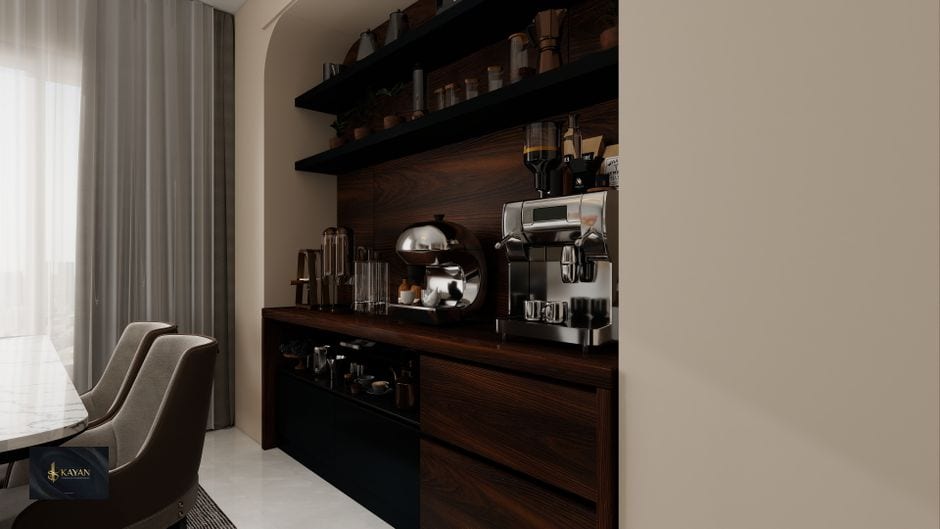
Build a Better Coffee Bar at Home
Better home coffee starts with a few fundamentals, not a counter full of gadgets.
Sep 29, 2026
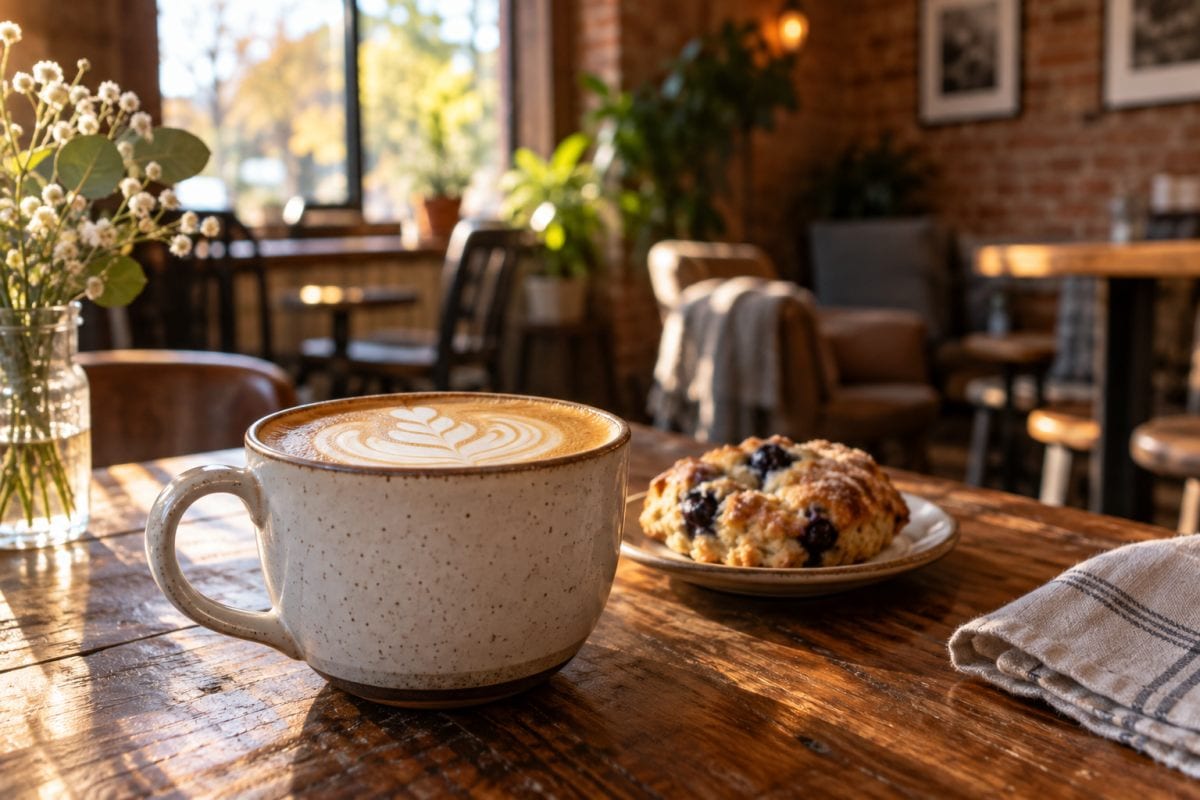
A local coffee guide for Battle Creek
A neighborly guide to cafés, local beans, and making time for a good cup.
0 Comments
Join the conversation
Be the first to comment
Share your thoughts above.