
The Story Behind America’s Coffee Habit
From colonial coffeehouses and the Boston Tea Party era to diners, folk clubs and specialty cafés, explore how coffee became part of everyday American life.
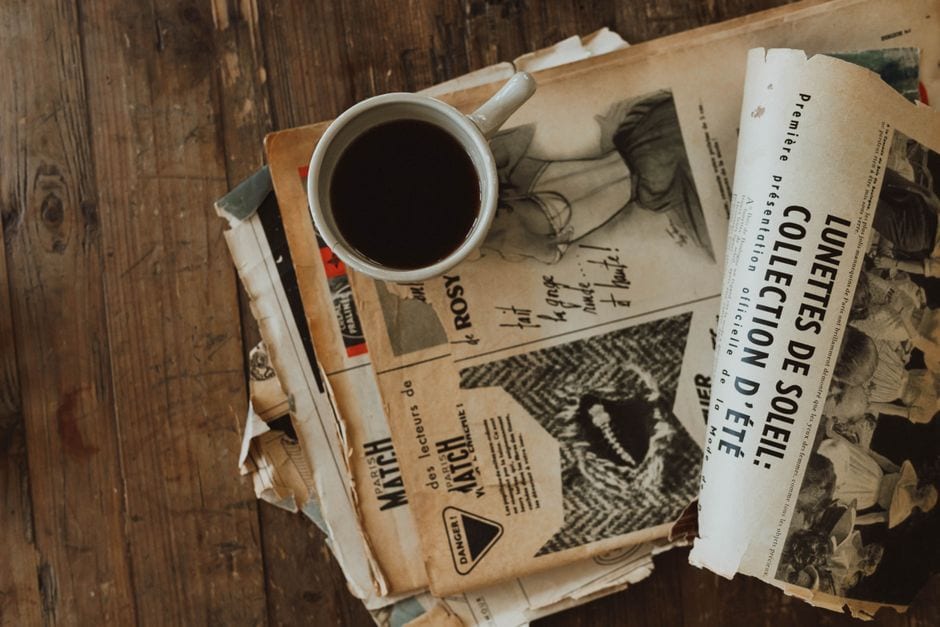
For a drink that cannot be grown commercially in most of the continental United States, coffee has become remarkably American.
It is there in the kitchen before sunrise, in the bottomless diner mug, in the office break room, at the drive-through window and in the neighborhood café where somebody is carefully pouring a heart into a latte.
On National Coffee Day, it is worth asking how we got here. America's coffee habit did not arrive all at once. It grew through politics, war, immigration, industry, convenience and changing ideas about what a good cup of coffee could be.
Coffeehouses were here before the United StatesCoffeehouses were already part of colonial life before there was an independent United States. The Library of Congress notes that America's first coffeehouse was established in Boston in 1676, following a coffeehouse tradition that had already spread through the Ottoman world and Western Europe.
These establishments were not simply places to grab caffeine. They were gathering places. The Library of Congress describes coffeehouses as longstanding community centers for talking about the news, playing games and, in later eras, listening to music.
That social role mattered in colonial America. A recent Smithsonian history of colonial coffeehouses describes them as hubs where merchants, political figures and others exchanged news and debated the growing conflict with Britain.
The Tea Party story needs a little nuanceYou may have heard that Americans switched from tea to coffee because of the Boston Tea Party. There is some truth behind coffee's patriotic association, but history is rarely that tidy.
The Library of Congress account of the 1773 crisis explains that the Tea Act reignited anger over taxation and monopoly power, leading to a widespread tea boycott. On December 16, 1773, protesters dumped tea into Boston Harbor.
In that atmosphere, choosing coffee could carry patriotic meaning. Smithsonian notes that coffee became a defiant alternative to tea after the Boston Tea Party. But coffee had already been served in American coffeehouses for nearly a century, so the famous protest did not introduce Americans to the drink.
Coffee follows Americans into the 19th centuryBy the 1800s, coffee was increasingly woven into daily American life. One revealing historical source is John D. Billings' 1887 memoir Hardtack and Coffee, preserved by the Library of Congress. The very title pairs coffee with one of the defining foods of Civil War soldier life.
Coffee was portable, energizing and suited to a country becoming more mobile and industrial. Over time, improvements in transportation, roasting, packaging and mass retail helped move it from a commodity bought and prepared in relatively local ways toward a nationally marketed household staple. |
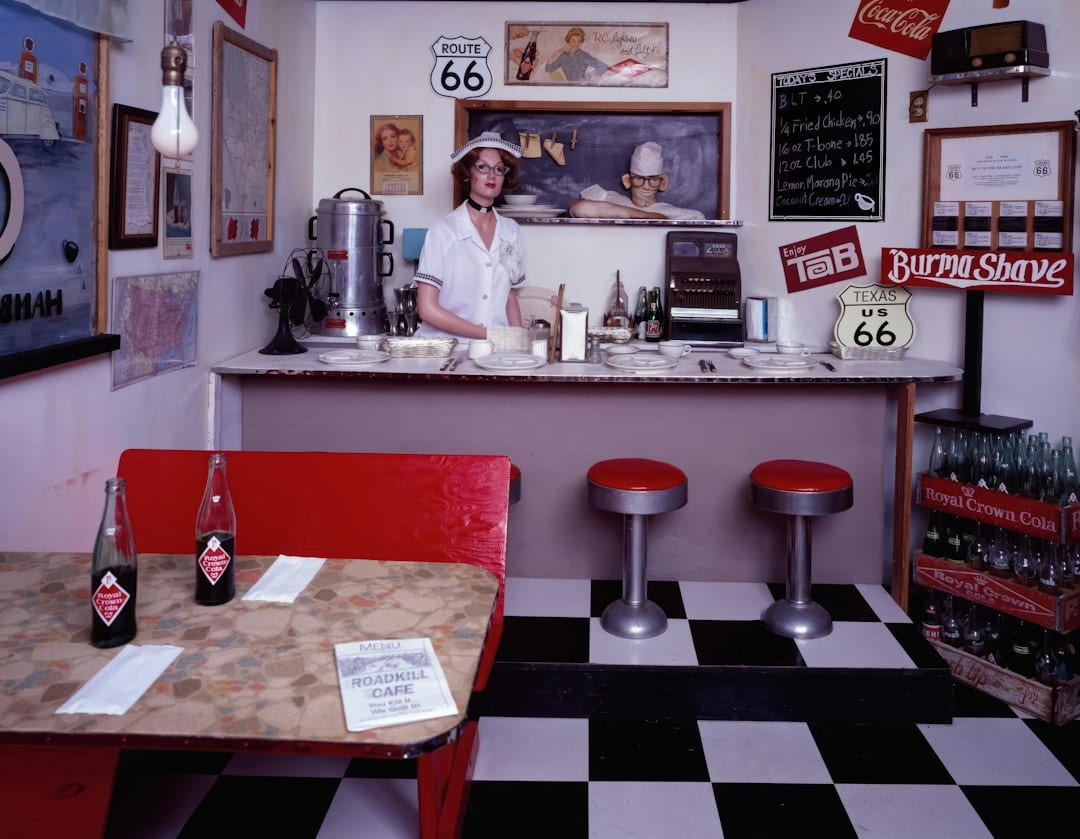 The diner coffee cup became one of America's most familiar everyday rituals during the 20th century. Photo by Carol Highsmith's America on Unsplash |
The diner turns coffee into a ritualThen there is one of the most recognizable American coffee images of all: a thick mug on a diner counter, with somebody circling back to ask whether you want a refill.
Diners became a major part of the American landscape in the 20th century. Smithsonian's history of the diner notes that factory-built diners numbered around 6,000 at their 1950s peak. Coffee fit the diner perfectly: hot, familiar, relatively inexpensive and something you could linger over while reading the paper or talking to the person on the next stool.
That endless-refill style of coffee became its own piece of Americana, even as a very different coffee culture was developing alongside it.
Coffeehouses become cultural spaces againIn the 1950s and 1960s, coffeehouses became closely associated with folk music and counterculture in parts of the United States. The Library of Congress traces how Italian-style coffeehouses, espresso machines and intimate performance spaces came together in places such as New York's Greenwich Village and San Francisco's North Beach.
That chapter feels surprisingly modern. Coffee was not merely the product on the table. The coffeehouse itself was the attraction: a place to meet, talk, hear music and spend time.
Then Americans started asking more of the cupBy the late 20th century, espresso bars and specialty coffee were reaching a much larger American audience. A 1996 Smithsonian article captured the moment when neighborhood coffeehouses, cappuccino and espresso were becoming highly visible parts of American culture.
That shift helped change the questions customers asked. Instead of simply "regular or decaf?" menus increasingly included espresso, cappuccino and latte. Eventually many consumers also became interested in where beans came from, how they were roasted, how coffee was processed and how brewing technique changed the cup.
The old diner mug never disappeared. It simply gained a lot of company.
America still drinks a remarkable amount of coffeeThe habit remains enormous. According to the National Coffee Association's Spring 2026 National Coffee Data Trends report, 66% of American adults reported drinking coffee in the past day and 73% in the past week. The same report said 82% of past-day coffee drinkers had coffee prepared at home.
Specialty coffee has also grown. The NCA reported that 58% of American adults had specialty coffee in the previous week in its Spring 2026 data, compared with 53% in 2022.
Those numbers help explain why American coffee culture can support so many versions of the same basic ritual. One person wants a quick cup from the kitchen before work. Another wants a diner refill. Another wants a carefully prepared pour-over from a single farm. Another wants a giant iced latte on the way to soccer practice.
The cup keeps changing, but the gathering place remainsLook back over several centuries and one theme keeps returning. Coffee is a beverage, but coffee places become social spaces.
Colonial coffeehouses were places to exchange news. Mid-century coffeehouses became homes for music and conversation. Diners put the coffee pot at the center of everyday community life. Modern cafés are meeting rooms, workspaces, first-date destinations and neighborhood gathering places.
Maybe that is the real story behind America's coffee habit. We certainly like the caffeine. But for generations, we have also liked what happens around the cup.
So on National Coffee Day, whether yours comes from a diner pot, a home brewer, an espresso machine or your favorite Battle Creek café, you are taking part in a tradition that has been changing for centuries and somehow still feels familiar every morning. |
Stay up to date with our local news!
Get articles like this delivered to your inbox.
Subscribe Now
Sep 29, 2026
Coffee-Shop Language, Decoded
Latte or flat white? Cold brew or iced coffee? Here's a friendly guide to the words on the café menu.
Sep 29, 2026
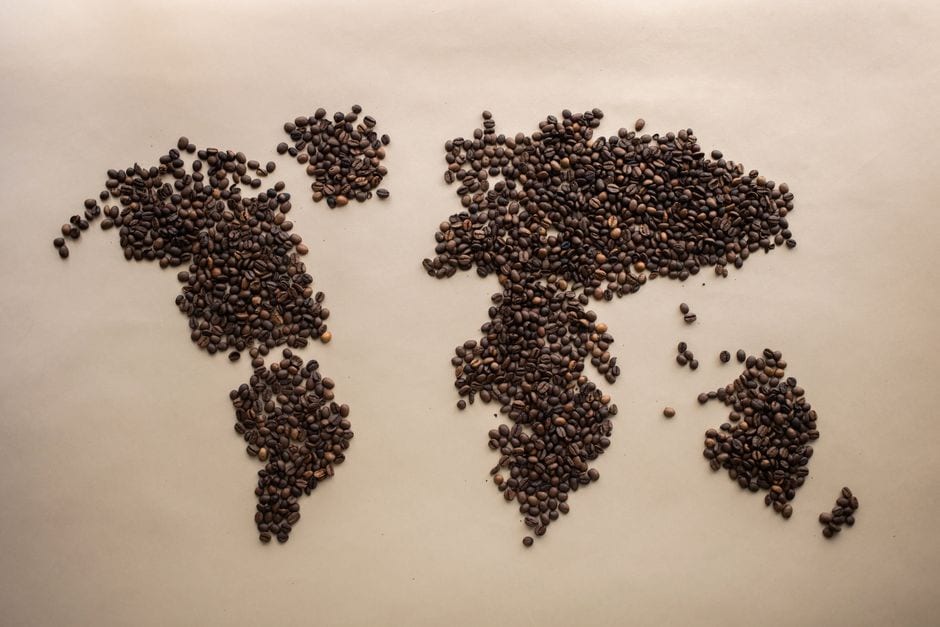
Take Your Coffee Cup Around the World
Learn why origin matters, then compare coffees from several producing countries at your own kitchen table.
Sep 29, 2026
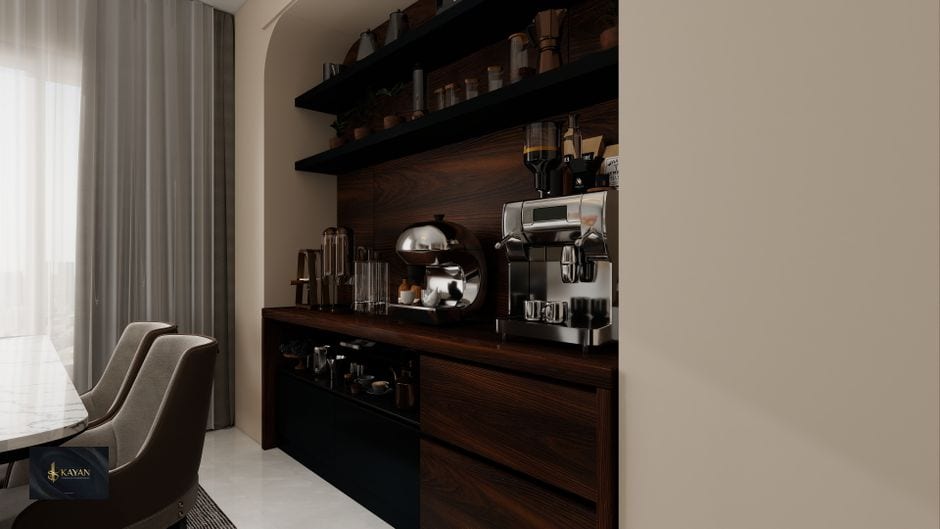
Build a Better Coffee Bar at Home
Better home coffee starts with a few fundamentals, not a counter full of gadgets.
Sep 29, 2026
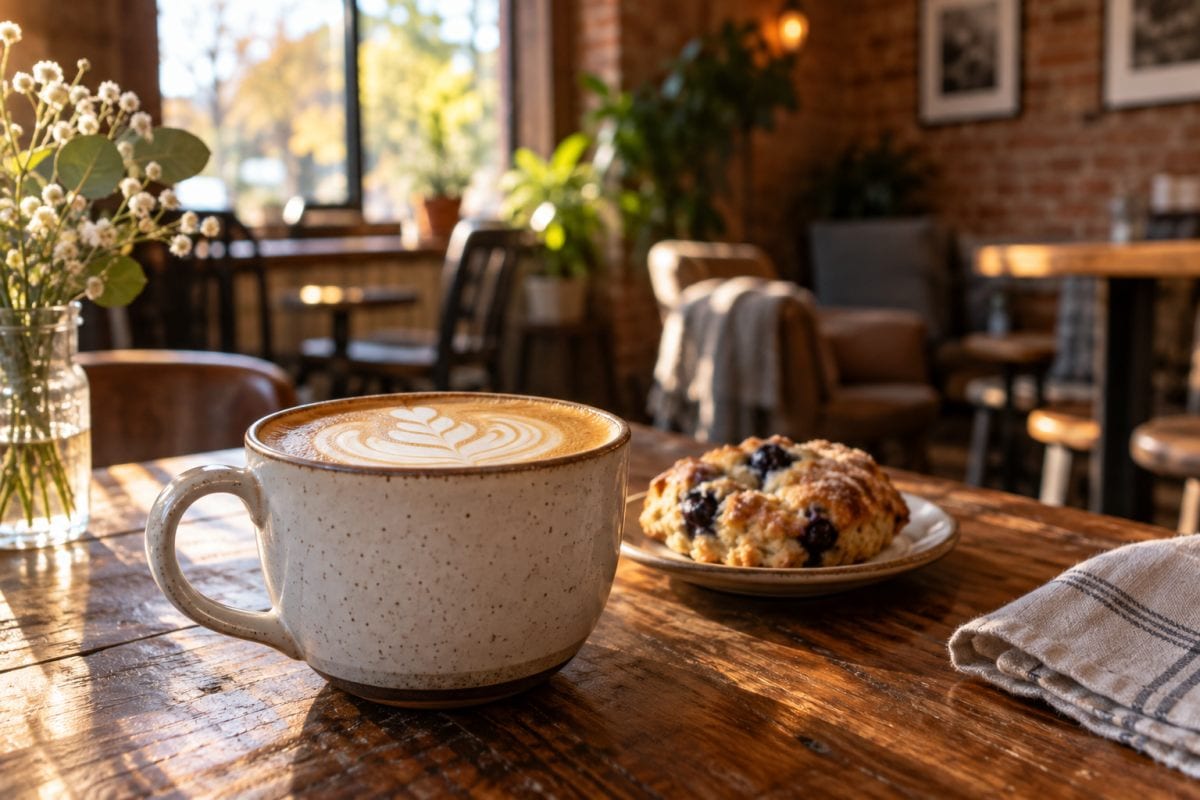
A local coffee guide for Battle Creek
A neighborly guide to cafés, local beans, and making time for a good cup.
1 Comment
Join the conversation
I had no idea Boston had coffeehouses back in 1676!