

Michigan Minimum Wage to Increase 10% Starting Jan. 1
Michigan's minimum wage will rise by 10% to $13.73 per hour on January 1, 2026, as part of the state's plan to reach $15 by 2027.

Michigan's minimum wage is set to rise by 10% on January 1, 2026, increasing from $12.48 to $13.73 per hour.
This adjustment is part of the state's ongoing efforts to enhance worker compensation under the Improved Workforce Opportunity Wage Act.
For tipped employees, the base pay will increase from $4.74 to $5.49 per hour.
Employers are required to ensure that, when combined with tips, these workers earn at least the standard minimum wage.
Additionally, minors aged 16 and 17 will see their minimum wage rise from $10.60 to $11.67 per hour.
The training wage of $4.25 per hour for newly hired employees under 20 years old during their first 90 days of employment remains unchanged.
These increases are part of a broader plan to elevate Michigan's minimum wage to $15 per hour by 2027, with subsequent annual adjustments based on inflation.
Under the act, the base pay for tipped workers will be 40% of the minimum wage starting in 2026.
This percentage will increase by 2% each year until it reaches 50% of the minimum wage in 2031.
These changes stem from a bipartisan compromise between the Republican-controlled Michigan House and Democratic-controlled Michigan Senate.
The agreement was reached to prevent tipped workers from becoming minimum wage workers.
Without this compromise, tipped workers were slated to receive 100% of the minimum wage as base pay by 2030.
The minimum wage would have reached $14.97 in 2028 before continuing to increase each year based on inflation.
Lawmakers decided to expedite the minimum wage hike to $15 by one year but increase and cap the percent of minimum wage that servers earn.
The changes blocked by lawmakers stemmed from a Michigan Supreme Court ruling in 2024.
Republicans, numerous service industry workers, and restaurant owners had warned that phasing out the subminimum wage for tipped workers would put jobs and businesses at risk due to increased wage costs for servers.
They also argued it would have driven up prices for customers and resulted in people tipping less and lower take-home pay for servers.
Proponents of the change said removing the subminimum wage would have given tipped workers a more stable income and wouldn't have decreased their earnings or the amount that people tip.
The first minimum wage increase under the Improved Workforce Opportunity Wage Act took place earlier this year, on Feb. 21, when the state's minimum wage jumped 18%, from $10.56 an hour to $12.48.
The base pay for servers increased Feb. 21 due to the minimum wage increasing.
However, the act did not increase the base pay for servers – 38% of the minimum wage – this year.
Next year it will be 40% of the minimum wage.
These legislative changes reflect Michigan's commitment to improving wage standards and providing a more stable income for workers across the state.
Employers and employees alike should prepare for these adjustments and understand their implications. |
Stay up to date with our local news!
Get articles like this delivered to your inbox.
Subscribe Now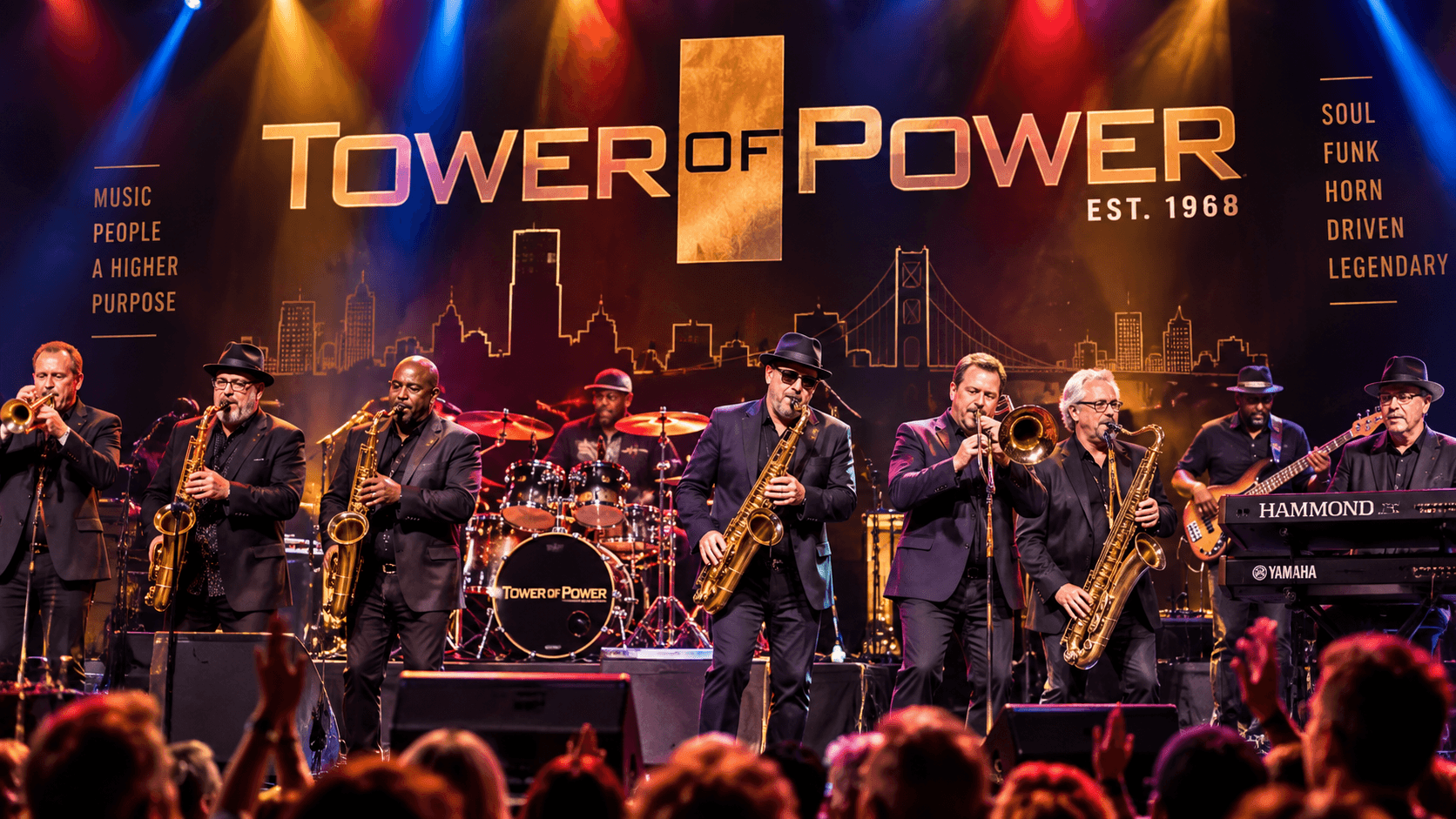
Sep 9, 2026
Tower of Power at FireKeepers
Holiday and Hits Tour arrives Dec. 10.

Sep 9, 2026
Battle Creek home fire reported
Official details remain pending.

Sep 9, 2026
One Final Meal at Clara’s on the River | Cereal City Buzz
A firsthand look at one final meal at Clara’s on the River in Battle Creek, including the food, service, memories and what may come next.

Sep 9, 2026
27 26th St N Battle Creek Home | Cereal City Buzz
Explore a $225,000 Lakeview home at 27 26th St N in Battle Creek with 3 bedrooms, hardwood floors, a fenced yard, garage, and no HOA.
0 Comments
Join the conversation
Be the first to comment
Share your thoughts above.