

Lake Michigan Dangers: Why the Beautiful Great Lake Can Turn Deadly
Rip currents, sudden weather changes, and cold water pose serious risks to swimmers and boaters
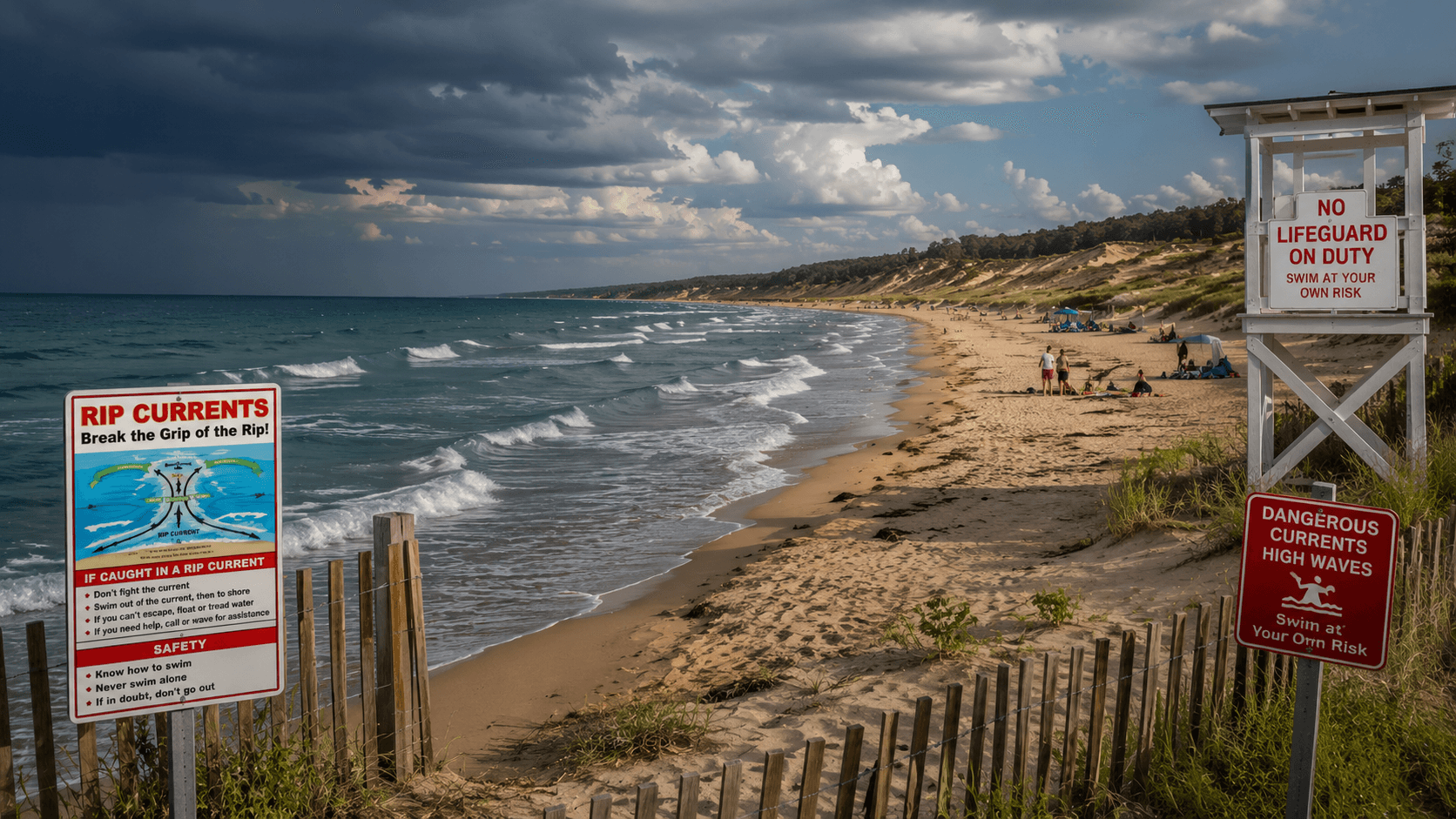
Lake Michigan attracts millions of visitors each year with its stunning beaches and crystal-clear waters. But beneath the beauty lies a dangerous reality. This Great Lake can turn deadly quickly, claiming lives through rip currents, sudden weather changes, and dangerously cold water temperatures.
Understanding the Risks
Lake Michigan is particularly dangerous for several reasons:
• Rip currents can pull swimmers away from shore in seconds • Water temperatures remain cold even on hot summer days • Weather can change rapidly without warning • Waves can reach dangerous heights during storms • The lake's size creates unpredictable conditions
According to the National Weather Service, Lake Michigan has the highest drowning rate of all the Great Lakes. The lake's orientation, shape, and size make it especially prone to dangerous rip currents that can overwhelm even strong swimmers.
The Rip Current Threat
Rip currents are the leading cause of drowning in Lake Michigan. These powerful channels of water flow away from shore at speeds up to 8 feet per second, faster than even Olympic swimmers can swim.
Signs of a rip current include:
• A channel of churning, choppy water • An area with a noticeable difference in water color • A line of foam, seaweed, or debris moving steadily seaward • A break in the incoming wave pattern
If caught in a rip current, swimmers should not fight against it. Instead, swim parallel to shore until out of the current, then swim back to land.
Cold Water Dangers
Even on the hottest summer days, Lake Michigan water temperatures can remain dangerously cold. Hypothermia can set in quickly, impairing judgment and physical ability within minutes.
Water temperatures in the 60s and 70s, which feel refreshing on a hot day, can still cause cold water shock. This involuntary gasp reflex can cause swimmers to inhale water and drown within seconds of entering the water.
Sudden Weather Changes
Lake Michigan's size means weather can change rapidly. A calm, sunny morning can turn into dangerous conditions with high waves and thunderstorms by afternoon.
Boaters and swimmers should:
• Check weather forecasts before heading out • Watch for darkening skies and increasing winds • Seek shelter immediately when storms approach • Never swim or boat alone
Safety Tips for Battle Creek Area Residents
For families from Battle Creek and Calhoun County planning trips to Lake Michigan beaches:
• Swim only at beaches with lifeguards when possible • Pay attention to warning flags and signs • Wear life jackets when boating • Keep children within arm's reach at all times • Learn to recognize rip currents • Have a flotation device readily available
What to Do in an Emergency
If you see someone struggling in the water:
• Call 911 immediately • Do not enter the water yourself unless trained • Throw a flotation device to the person • Keep your eyes on the victim and signal for help • Alert lifeguards if present
Many drownings occur when would-be rescuers become victims themselves. Trained professionals have the equipment and skills to perform water rescues safely.
Respecting the Lake
Lake Michigan offers incredible beauty and recreation opportunities. But it demands respect. Understanding the dangers and taking proper precautions can mean the difference between a wonderful day at the beach and a tragic accident.
Before your next visit to Lake Michigan, take time to learn about water safety, check conditions, and make sure everyone in your group knows what to do if conditions turn dangerous.
## Frequently Asked Questions
Q: What makes Lake Michigan more dangerous than other Great Lakes? A: Lake Michigan has the highest drowning rate among the Great Lakes due to its shape, orientation, and popularity for recreation. Rip currents are particularly common along its eastern shore.
Q: How can I spot a rip current? A: Look for a channel of churning water, differences in water color, lines of foam moving away from shore, or breaks in the wave pattern. When in doubt, ask lifeguards about current conditions.
Q: What should I do if caught in a rip current? A: Do not fight against the current. Swim parallel to shore until you are out of the current, then swim back to land. If you cannot escape, float or tread water and signal for help. |
Stay up to date with our local news!
Get articles like this delivered to your inbox.
Subscribe Now
Sep 9, 2026
Tower of Power at FireKeepers
Holiday and Hits Tour arrives Dec. 10.

Sep 9, 2026
Battle Creek home fire reported
Official details remain pending.

Sep 9, 2026
One Final Meal at Clara’s on the River | Cereal City Buzz
A firsthand look at one final meal at Clara’s on the River in Battle Creek, including the food, service, memories and what may come next.

Sep 9, 2026
27 26th St N Battle Creek Home | Cereal City Buzz
Explore a $225,000 Lakeview home at 27 26th St N in Battle Creek with 3 bedrooms, hardwood floors, a fenced yard, garage, and no HOA.
0 Comments
Join the conversation
Be the first to comment
Share your thoughts above.