

54,000 Gallons of Raw Sewage Spills into Kalamazoo River
Environmental officials respond to wastewater discharge affecting local waterway
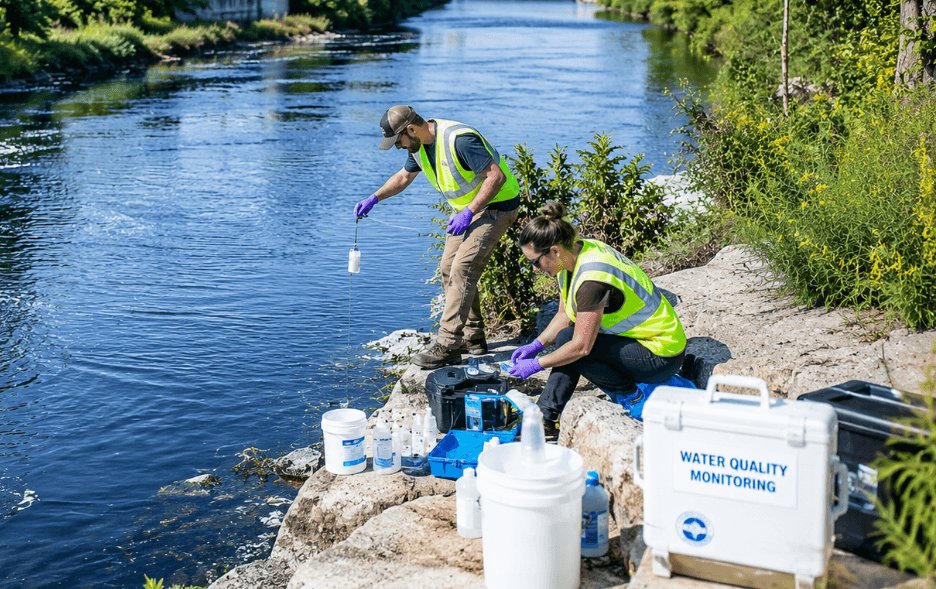
Approximately 54,000 gallons of raw sewage spilled in the Kalamazoo area recently, with some of the untreated wastewater entering the Kalamazoo River. The incident has prompted response from environmental officials and local authorities who are monitoring the situation and assessing potential impacts.
The Michigan Department of Environment, Great Lakes, and Energy (EGLE) oversees wastewater discharge incidents and works with municipalities to prevent and respond to sewage overflows. When raw sewage enters waterways, it can pose risks to public health and aquatic ecosystems.
What Happened
The sewage spill occurred in the Kalamazoo area, releasing approximately 54,000 gallons of untreated wastewater. While the exact cause of the spill is under investigation, such incidents typically result from infrastructure failures, heavy rainfall overwhelming sewer systems, or equipment malfunctions at wastewater treatment facilities.
Some of the spilled sewage made its way into the Kalamazoo River, a significant waterway that flows through southwestern Michigan before emptying into Lake Michigan. The river supports recreational activities, wildlife habitat, and serves as an important natural resource for local communities.
Health and Environmental Concerns
Raw sewage contains bacteria, viruses, and other pathogens that can pose health risks to humans and animals. When sewage enters rivers and streams, it can contaminate drinking water sources, make recreational activities unsafe, and harm fish and wildlife populations.
The U.S. Environmental Protection Agency and state environmental agencies typically issue public health advisories following sewage spills, recommending that people and pets avoid contact with affected waterways until water quality testing confirms it is safe.
Response and Cleanup Efforts
Environmental officials and local wastewater operators have responded to the spill to contain the discharge and minimize environmental damage. Cleanup efforts may include containing the spill, treating affected areas, and conducting water quality monitoring to assess contamination levels.
Long-term monitoring of the Kalamazoo River will help determine the full extent of environmental impact and ensure that water quality returns to safe levels for recreational use and wildlife.
Preventing Future Spills
Sewage spills often highlight the need for infrastructure investment and maintenance. Aging sewer systems, combined sewer overflows during heavy rain events, and inadequate treatment capacity can all contribute to wastewater discharge incidents.
Michigan communities continue working with state and federal agencies to upgrade wastewater infrastructure, separate storm and sanitary sewers where possible, and implement green infrastructure solutions to reduce the risk of future spills.
Frequently Asked Questions
Q: How much raw sewage spilled into the Kalamazoo River?
Q: Is it safe to use the Kalamazoo River after the sewage spill?
Q: Who responds to sewage spills in Michigan? |
Stay up to date with our local news!
Get articles like this delivered to your inbox.
Subscribe Now
Sep 9, 2026
Tower of Power at FireKeepers
Holiday and Hits Tour arrives Dec. 10.

Sep 9, 2026
Battle Creek home fire reported
Official details remain pending.

Sep 9, 2026
One Final Meal at Clara’s on the River | Cereal City Buzz
A firsthand look at one final meal at Clara’s on the River in Battle Creek, including the food, service, memories and what may come next.

Sep 9, 2026
27 26th St N Battle Creek Home | Cereal City Buzz
Explore a $225,000 Lakeview home at 27 26th St N in Battle Creek with 3 bedrooms, hardwood floors, a fenced yard, garage, and no HOA.
0 Comments
Join the conversation
Be the first to comment
Share your thoughts above.