

Federal Property Disposition in Battle Creek, MI
Learn about the future of the historic Hart-Dole-Inouye Federal Center
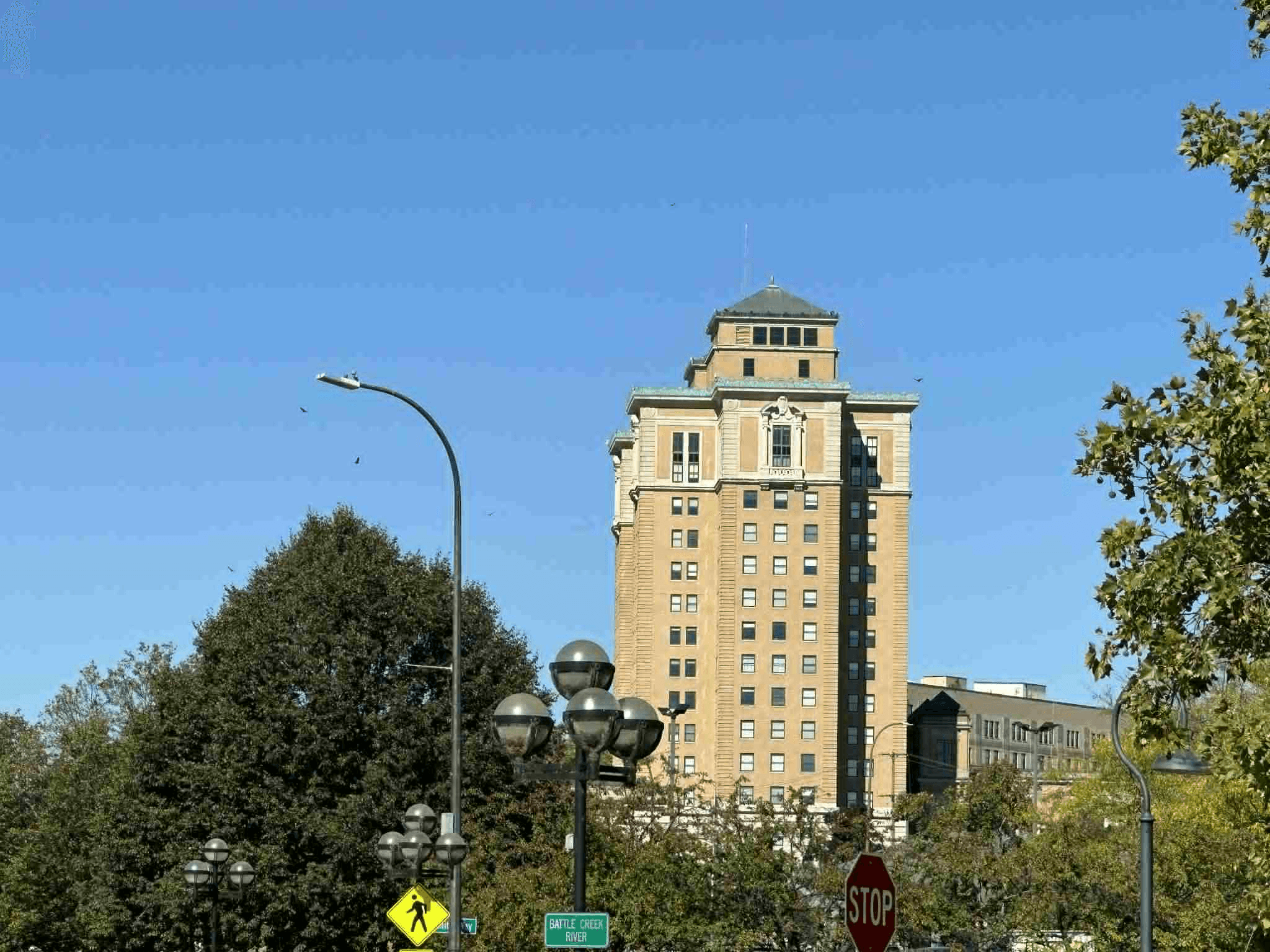
A landmark that has stood over Battle Creek for generations now faces an entirely uncertain future, sparking conversations about heritage, economics, and the city’s path forward.
The U.S. General Services Administration (GSA) has officially designated the historic Hart-Dole-Inouye Federal Center for accelerated disposition.
This formal step signals the government's intent to sell or transfer the sprawling Washington Avenue property, which it has labeled as both underutilized and functionally obsolete.
The financial reasoning behind the decision is stark.
Officials project that shedding the property will save taxpayers a staggering $170 million in deferred maintenance costs.
Furthermore, the move is expected to eliminate an additional $6 million in annual operating expenses.
The core of the issue is the government's push to right-size its real estate portfolio, ensuring federal agencies have optimal space to carry out their missions effectively.
But for Battle Creek, the building is far more than just an asset on a federal ledger.
Its history is deeply woven into the city’s identity, first established in the 19th century and famously serving as a sanitarium and later the Percy Jones Army Hospital during World War II.
It was there that three future U.S. Senators—Philip Hart of Michigan, Robert Dole of Kansas, and Daniel Inouye of Hawaii—were treated, an honor immortalized when the center was renamed for them in 2003.
Listed on the National Register of Historic Places since 1974, the center currently houses critical operations, including the headquarters for the Defense Logistics Agency Disposition Services.
The facility is a major local employer, with reports indicating it serves over 1,400 Department of Defense civilians, military personnel, and contractors.
Concerns over the potential economic impact and loss of high-wage jobs have been palpable among local leaders for some time.
The disposition now pivots the conversation from preservation to reinvention.
Federal officials have pointed to the move as a chance for significant economic development opportunities for the Battle Creek community.
What that redevelopment might look like remains an open and critical question for the city.
The decision places Battle Creek at a crossroads, tasked with honoring a profound piece of its history while seizing a rare and transformative opportunity for its future. |
Stay up to date with our local news!
Get articles like this delivered to your inbox.
Subscribe Now
Sep 9, 2026
Tower of Power at FireKeepers
Holiday and Hits Tour arrives Dec. 10.

Sep 9, 2026
Battle Creek home fire reported
Official details remain pending.

Sep 9, 2026
One Final Meal at Clara’s on the River | Cereal City Buzz
A firsthand look at one final meal at Clara’s on the River in Battle Creek, including the food, service, memories and what may come next.

Sep 9, 2026
27 26th St N Battle Creek Home | Cereal City Buzz
Explore a $225,000 Lakeview home at 27 26th St N in Battle Creek with 3 bedrooms, hardwood floors, a fenced yard, garage, and no HOA.
0 Comments
Join the conversation
Be the first to comment
Share your thoughts above.