

Invasive Plant Blooming in Michigan: What You Need to Know About Lesser Celandine
State officials ask residents to watch for this aggressive groundcover that threatens native wildflowers
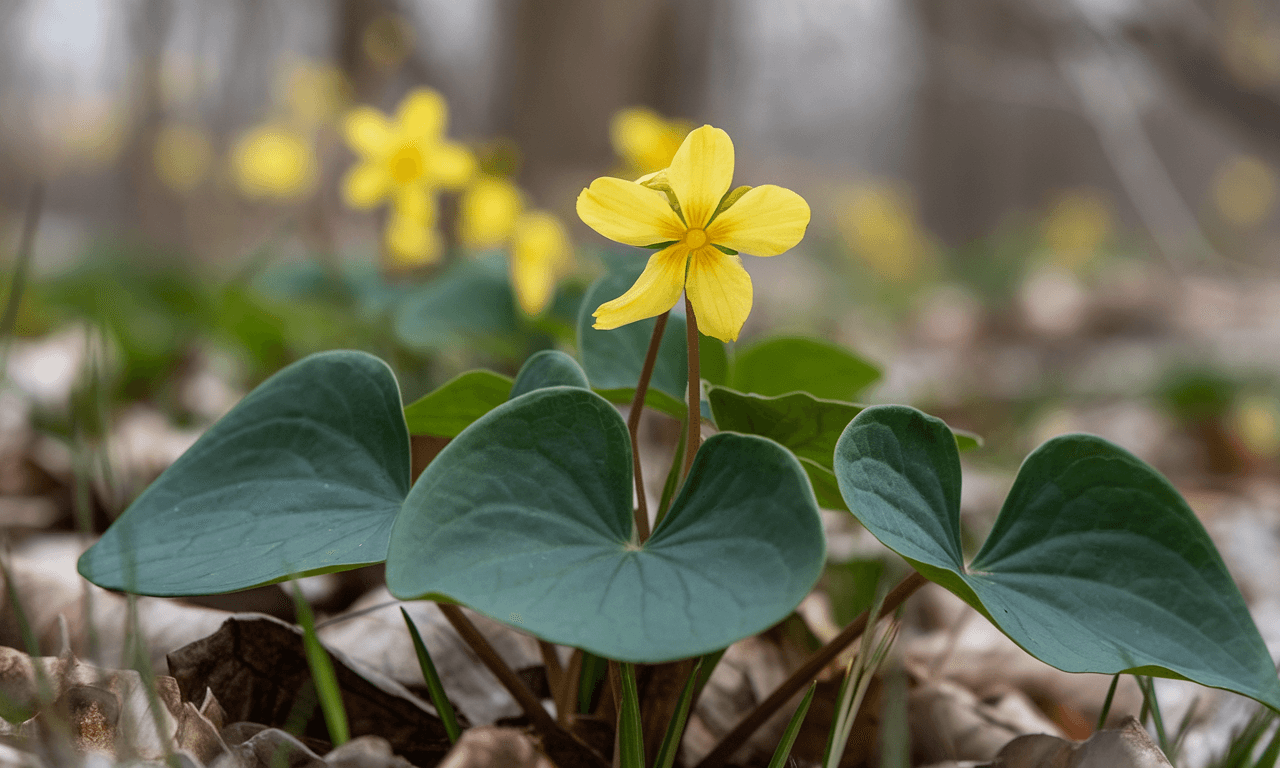
State officials are asking Michiganders to keep an eye out for an invasive plant that is blooming right now. Lesser celandine, sometimes called fig buttercup, is spreading across the Midwest and has landed on Michigan's invasive species watch list.
The Michigan Department of Natural Resources says this short perennial plant has a limited known distribution in the state. That is why early detection matters. The plant has shiny, dark green, heart-shaped leaves and small bright yellow flowers that make it easy to spot... if you know what to look for.
Why Now Is the Time to Look
Lesser celandine is what botanists call a "spring ephemeral." It pops up in March and April, then dies back once trees fully leaf out. That short growing season makes it tricky to track.
"There is only a short window of time when lesser celandine has emerged and is identifiable, so it is critical to be on the lookout for this plant now," said Michelle Beloskur, director of the Midwest Invasive Plant Network.
The Ohio State University calls the plant "aggressive." Its hide-and-seek life cycle makes detecting and evaluating the spread a race against time.
Where It Grows and What It Threatens
Lesser celandine loves moist, lowland spots like forest floors, riverbanks, and floodplains. But it is tough enough to spread into lawns and upland areas too.
The real problem is how it outcompetes native spring wildflowers. Plants like mayapple, spring beauty, Dutchman's breeches, and trout lily get crowded out when lesser celandine takes over as a groundcover.
The plant grows 4 to 12 inches tall and forms a carpet of heart-shaped leaves close to the ground. Each plant can produce up to 70 seeds, plus it spreads through underground tubers that store energy for the next season.
Where It Has Been Found in Michigan
The DNR reports that lesser celandine is actively spreading in southern Michigan, particularly in the Grand River watershed. Ingham and Ionia counties show the heaviest concentrations, with populations also identified in southeast Michigan and Clinton County.
"At this point, the information we have indicates that lesser celandine is mostly concentrated in mid-Michigan, but the plant's short growing season means we cannot be sure," said Katie Grzesiak, terrestrial invasive species coordinator for the Michigan DNR. "Reports from people who are out in the spring, particularly in the Upper Peninsula, northern Lower Peninsula, and outside of the Grand River corridor are critical to understanding this plant's range."
What Is Being Done
Several groups are working to get ahead of the problem. The Eyes on the Forest Priority Plant Patrol is training community volunteers to monitor and report sightings. The Michigan Lesser Celandine Coalition is also recruiting volunteers to assess the spread, especially along the Grand River corridor where the plant is already well established.
If you spot lesser celandine, officials ask that you report it to help track its spread and protect Michigan's native plant communities.
---
Frequently Asked Questions
Q: What does lesser celandine look like? A: It is a short plant, 4 to 12 inches tall, with shiny dark green heart-shaped leaves and small bright yellow flowers with 8 to 12 petals. It grows close to the ground and forms a carpet-like covering.
Q: Why is lesser celandine a problem in Michigan? A: It is an invasive species that outcompetes native spring wildflowers like mayapple, spring beauty, and trout lily. It spreads quickly through seeds and underground tubers, crowding out local plants.
Q: Where has lesser celandine been found in Michigan? A: It is mostly concentrated in mid-Michigan, especially Ingham and Ionia counties and the Grand River watershed. The DNR is asking for reports from the Upper Peninsula and northern Lower Peninsula to understand its full range. |
Stay up to date with our local news!
Get articles like this delivered to your inbox.
Subscribe Now
Sep 9, 2026
Tower of Power at FireKeepers
Holiday and Hits Tour arrives Dec. 10.

Sep 9, 2026
Battle Creek home fire reported
Official details remain pending.

Sep 9, 2026
One Final Meal at Clara’s on the River | Cereal City Buzz
A firsthand look at one final meal at Clara’s on the River in Battle Creek, including the food, service, memories and what may come next.

Sep 9, 2026
27 26th St N Battle Creek Home | Cereal City Buzz
Explore a $225,000 Lakeview home at 27 26th St N in Battle Creek with 3 bedrooms, hardwood floors, a fenced yard, garage, and no HOA.
0 Comments
Join the conversation
Be the first to comment
Share your thoughts above.