

Air Quality Alert Issued for West Michigan as Wildfire Smoke Drifts South
EGLE warns sensitive groups as smoke from Canadian and Minnesota wildfires impacts Michigan air quality
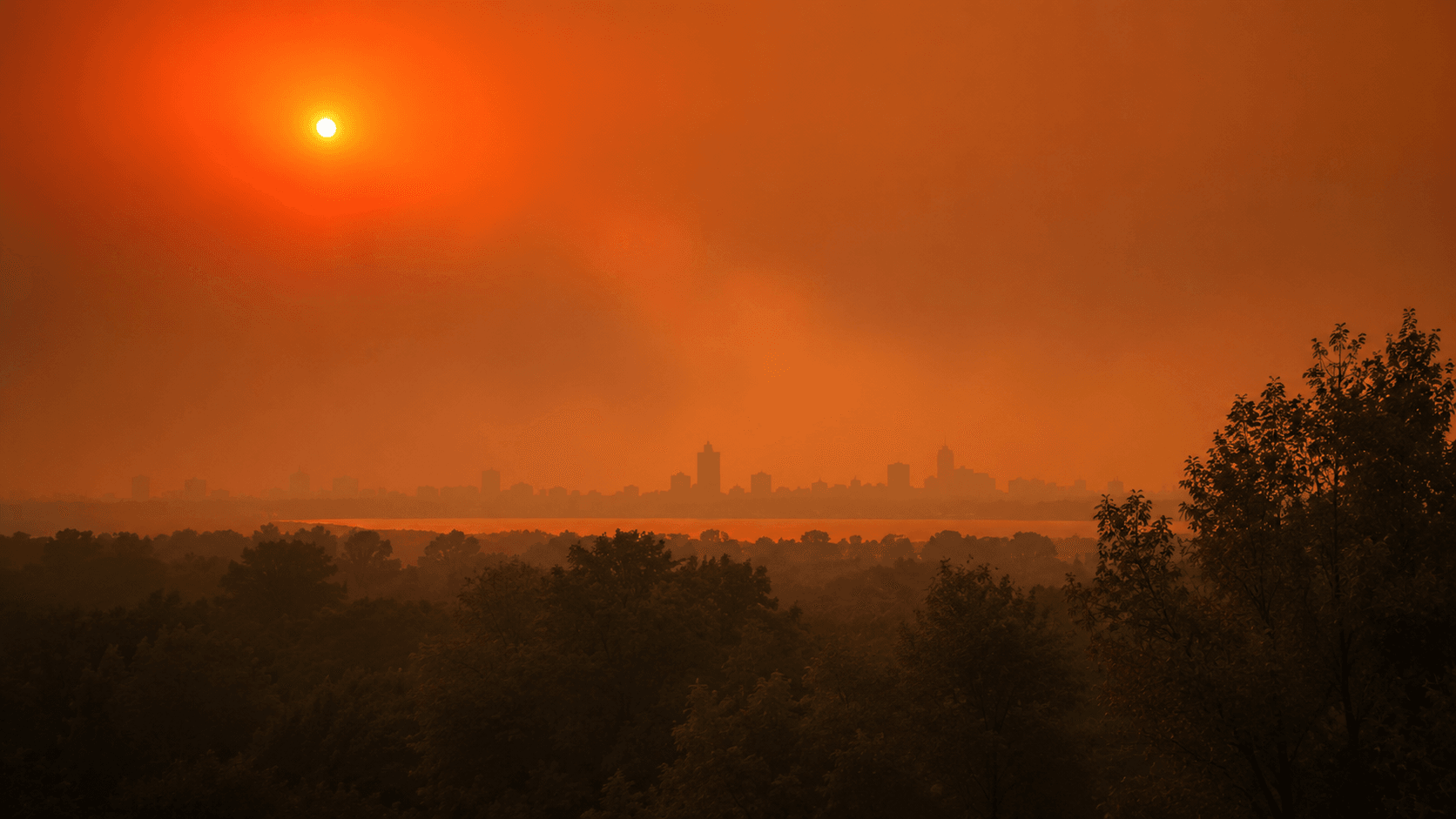
The Michigan Department of Environment, Great Lakes, and Energy (EGLE) has issued an air quality alert for West Michigan as smoke from wildfires burning in Canada and Minnesota drifts into the region. The alert, which targets sensitive groups, warns residents about elevated levels of fine particulate matter that could impact health.
What Is Causing the Air Quality Alert?
Wildfires burning in Canada and Minnesota have sent massive plumes of smoke southward, carried by weather patterns into Michigan. This smoke contains fine particulate matter - tiny particles that can penetrate deep into the lungs and cause health problems.
The Michigan Department of Environment, Great Lakes, and Energy monitors air quality across the state through its network of monitoring stations. When particulate levels reach unhealthy thresholds, EGLE issues alerts to warn residents and recommend protective actions.
Current Air Quality Conditions
As of the alert issuance, air quality in parts of West Michigan has reached the "Orange" category on the Air Quality Index (AQI), meaning conditions are unhealthy for sensitive groups. This includes:
• Children and teenagers • Older adults aged 65 and over • People with heart or lung disease • Individuals with respiratory conditions like asthma • Pregnant women
When air quality reaches orange levels, sensitive groups may experience health effects from prolonged outdoor exertion. The general public is less likely to be affected.
Health Effects of Fine Particulate Matter
Fine particulate matter, also known as PM2.5, consists of microscopic particles small enough to enter the lungs and bloodstream. Exposure can cause:
• Eye, nose, and throat irritation • Coughing and sneezing • Shortness of breath • Chest tightness • Asthma attacks • Reduced lung function • Heart attacks in people with heart disease
Long-term exposure to high levels of PM2.5 has been linked to serious health problems including lung cancer, stroke, and premature death.
Protecting Yourself During the Alert
EGLE recommends that sensitive groups take the following precautions:
• Limit outdoor activities, especially strenuous exercise • Keep windows and doors closed to prevent smoke from entering homes • Use air conditioning on recirculate mode to filter indoor air • Consider using an air purifier with a HEPA filter • Monitor symptoms and contact a healthcare provider if you experience difficulty breathing, chest pain, or severe coughing
For the general public, it is still a good idea to reduce prolonged outdoor exertion until air quality improves.
How Long Will the Alert Last?
The duration of the air quality alert depends on weather patterns and fire activity. Smoke can travel hundreds of miles and linger for days depending on wind direction and atmospheric conditions.
Residents can check current air quality conditions and forecasts through the AirNow.gov website or the EGLE website. Many weather apps also provide air quality information.
The Bigger Picture: Increasing Wildfire Smoke
Air quality alerts due to wildfire smoke have become more common in Michigan and across the Midwest in recent years. Climate change has extended wildfire seasons and increased fire intensity in Canada and the western United States, sending smoke plumes farther east than in decades past.
While Michigan is not directly experiencing the fires, the state is increasingly feeling their effects through degraded air quality. This serves as a reminder that environmental events hundreds of miles away can have real impacts on local health and daily life.
Frequently Asked Questions
Q: Who should be most concerned about the air quality alert? A: The alert primarily targets sensitive groups including children, elderly adults, people with heart or lung disease, those with asthma or other respiratory conditions, and pregnant women. These individuals should limit outdoor activities and take precautions to protect their health.
Q: Can I still go outside during an air quality alert? A: Yes, but sensitive groups should limit prolonged outdoor exertion. The general public can usually continue normal activities but should pay attention to any symptoms like coughing or shortness of breath. If the air looks or smells smoky, it is best to stay indoors.
Q: How can I check current air quality in my area? A: Visit AirNow.gov or the Michigan EGLE website for real-time air quality data. Many weather apps and websites also display AQI information for your location. |
Stay up to date with our local news!
Get articles like this delivered to your inbox.
Subscribe Now
Sep 9, 2026
Tower of Power at FireKeepers
Holiday and Hits Tour arrives Dec. 10.
Sep 9, 2026
Battle Creek home fire reported
Official details remain pending.

Sep 9, 2026
One Final Meal at Clara’s on the River | Cereal City Buzz
A firsthand look at one final meal at Clara’s on the River in Battle Creek, including the food, service, memories and what may come next.

Sep 9, 2026
27 26th St N Battle Creek Home | Cereal City Buzz
Explore a $225,000 Lakeview home at 27 26th St N in Battle Creek with 3 bedrooms, hardwood floors, a fenced yard, garage, and no HOA.
0 Comments
Join the conversation
Be the first to comment
Share your thoughts above.