

Bipartisan Bills Aim to Make Michigan Bottle and Can Returns Easier
Lawmakers propose new guidelines requiring retailers to accept returns during all store hours and at the counter when machines are broken.
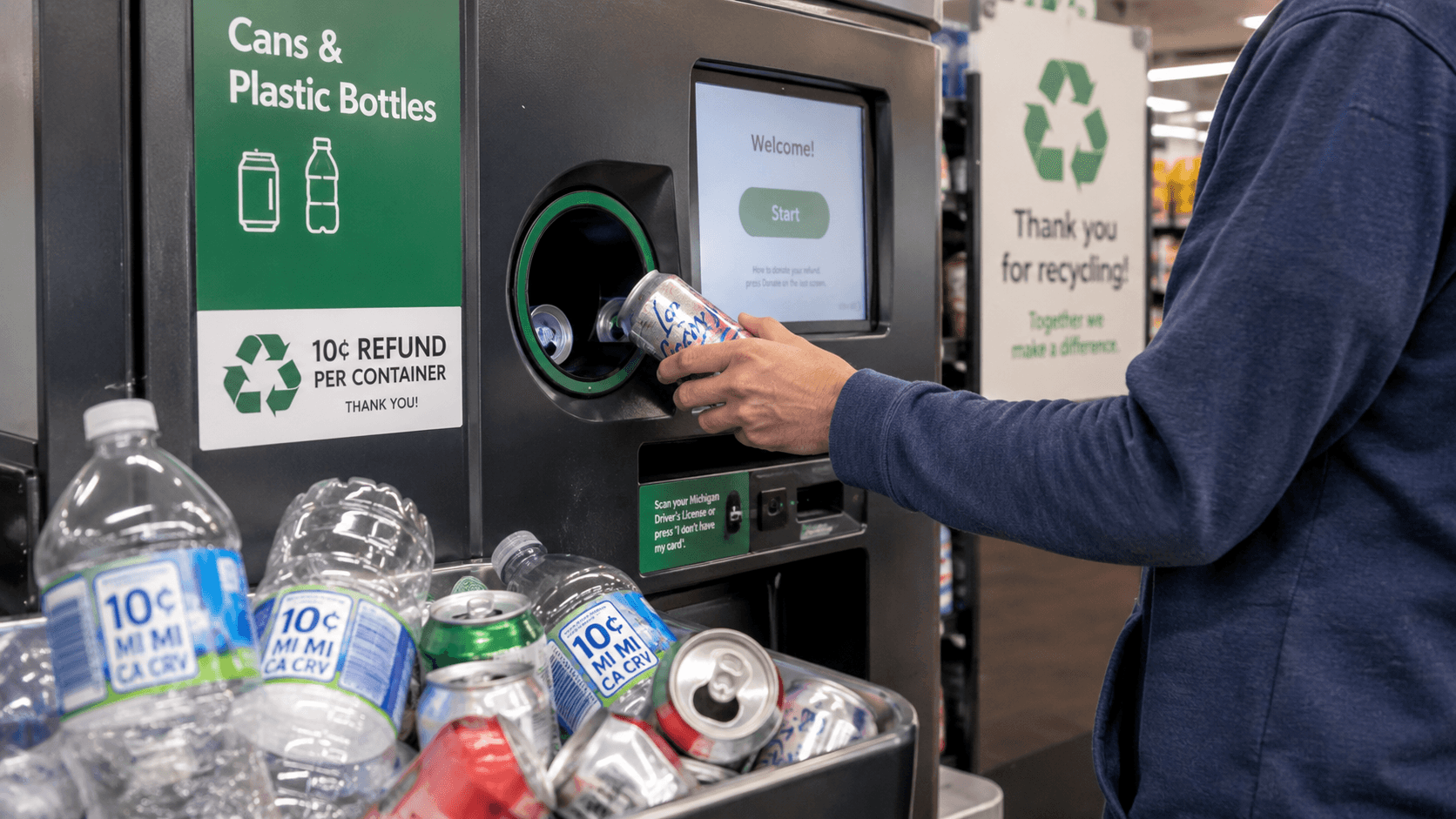
As Michigan's landmark bottle and can return law marks its 50th anniversary, bipartisan legislation aims to fix longstanding issues that have frustrated consumers. State Representatives Julie Rogers (D-Kalamazoo) and Doug Wozniak (R-Shelby Township) have introduced bills to clarify rules and make the return process more accessible for Michigan residents.
The Current ProblemMichigan's bottle deposit law, enacted in 1976, requires a 10-cent deposit on most beverage containers. While the program has been successful in reducing litter and promoting recycling, return rates have declined from around 90% to 69.4% in 2025. Consumers report facing barriers when trying to redeem their deposits.
"They were trying to return the 10 cent deposit cans and bottles to a local retail store," Rogers said, describing a constituent's experience in downtown Kalamazoo. "They faced all kinds of barriers, and so I actually was really intrigued by this and tried doing so myself that year, and I met all kinds resistance too."
Common issues include stores limiting return hours, turning customers away due to broken machines, and unclear guidelines about when and where returns must be accepted.
What the Bills Would DoThe proposed legislation includes several key reforms:
• Extended hours: Retailers must accept returns during all store hours, or between 8 a.m. and 11 p.m., whichever is longer
"If you sell the cans and bottles as a retailer, it is your responsibility to take those cans and bottles back and provide the consumer with their 10 cent deposit between the hours of 8 a.m. and 11 p.m., or whatever hours your store is open," Rogers explained.
Bipartisan SupportState Representative Doug Wozniak joined Rogers in proposing the counter service requirement when machines are unavailable.
"These are common-sense solutions to everyday problems that Michigan consumers are increasingly encountering when trying to return their bottles and cans," Wozniak said. "These reforms ensure that the system remains convenient and effective."
Retailers Push BackNot everyone supports the current bottle return system. Bill Wild, president and CEO of the Midwest Independent Retailers Association, argues the law has turned retailers into "de facto recycling centers, which is something that they were never meant to be."
Critics point to sanitation concerns and the financial burden on businesses. A University of Michigan study found returns cost retailers more than $127 million annually. With 65% of Michigan communities having access to curbside recycling, some argue modern alternatives would be more efficient.
"We are not advocating to throw this thing out the window like they used to do with bottles and cans in the 70s," Wild said. "What we're advocating is that now is the time to start thinking about a more modern way to do it."
The Road AheadThe bills are currently in committee and have bipartisan support. Rogers hopes that if passed, the reforms will help drive return rates back toward the 90% range the program once enjoyed.
For Michigan residents who rely on bottle deposits to stretch tight budgets, the proposed changes could make redeeming those dimes significantly easier.
Frequently Asked QuestionsQ: What would the new bills require retailers to do?
Q: Why are return rates declining in Michigan?
Q: Do retailers support the bottle return law? |
Stay up to date with our local news!
Get articles like this delivered to your inbox.
Subscribe Now
Sep 9, 2026
Tower of Power at FireKeepers
Holiday and Hits Tour arrives Dec. 10.
Sep 9, 2026
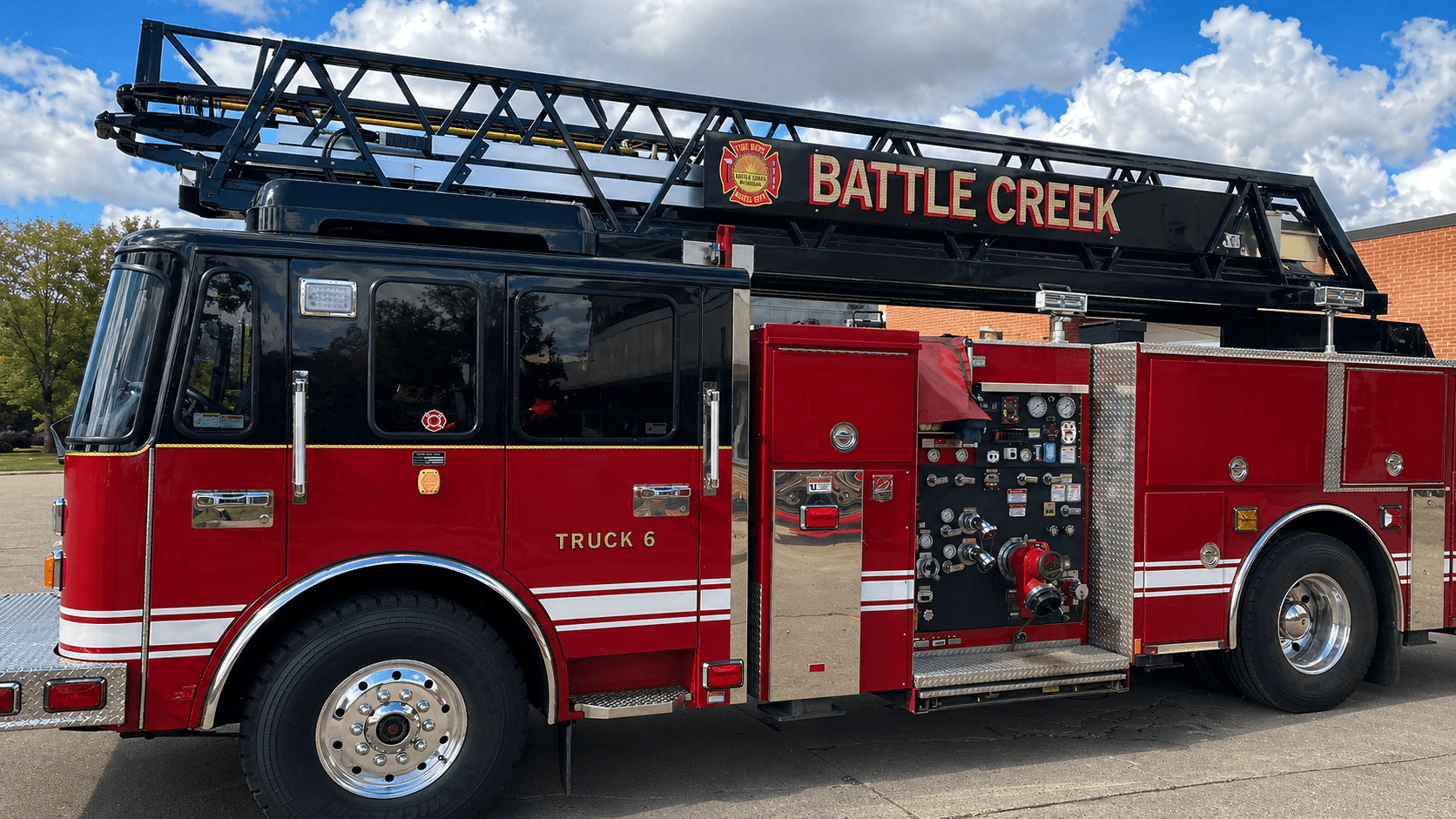
Battle Creek home fire reported
Official details remain pending.

Sep 9, 2026
One Final Meal at Clara’s on the River | Cereal City Buzz
A firsthand look at one final meal at Clara’s on the River in Battle Creek, including the food, service, memories and what may come next.
Sep 9, 2026
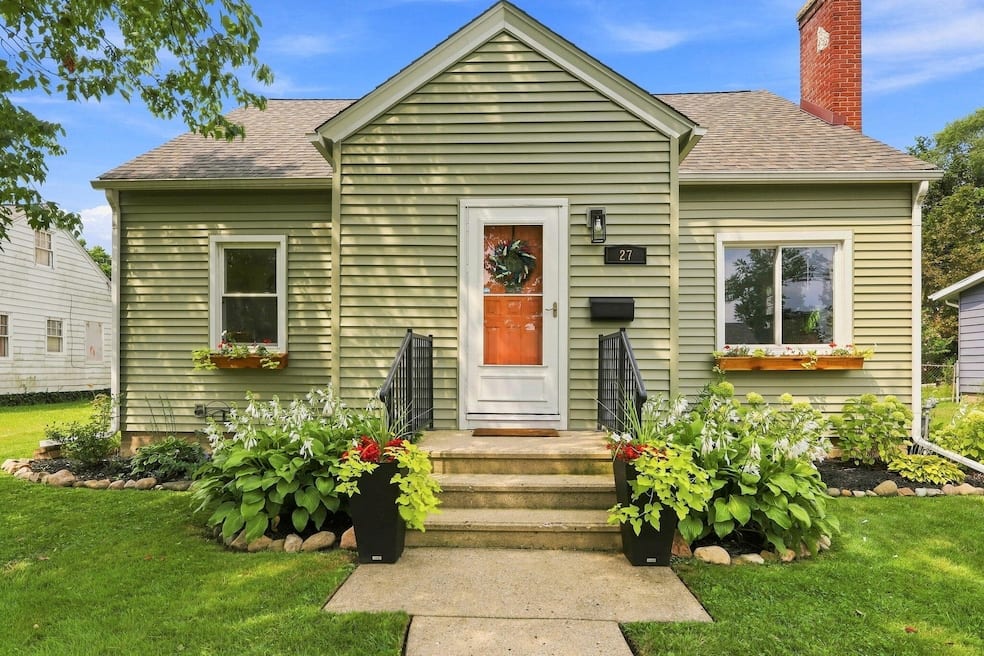
27 26th St N Battle Creek Home | Cereal City Buzz
Explore a $225,000 Lakeview home at 27 26th St N in Battle Creek with 3 bedrooms, hardwood floors, a fenced yard, garage, and no HOA.
0 Comments
Join the conversation
Be the first to comment
Share your thoughts above.