

Mortgage Rates Remain Above 6.5% as Inflation Spikes
30-year fixed rates average 6.55% as housing economists no longer expect rates to fall below 6% in the near future.
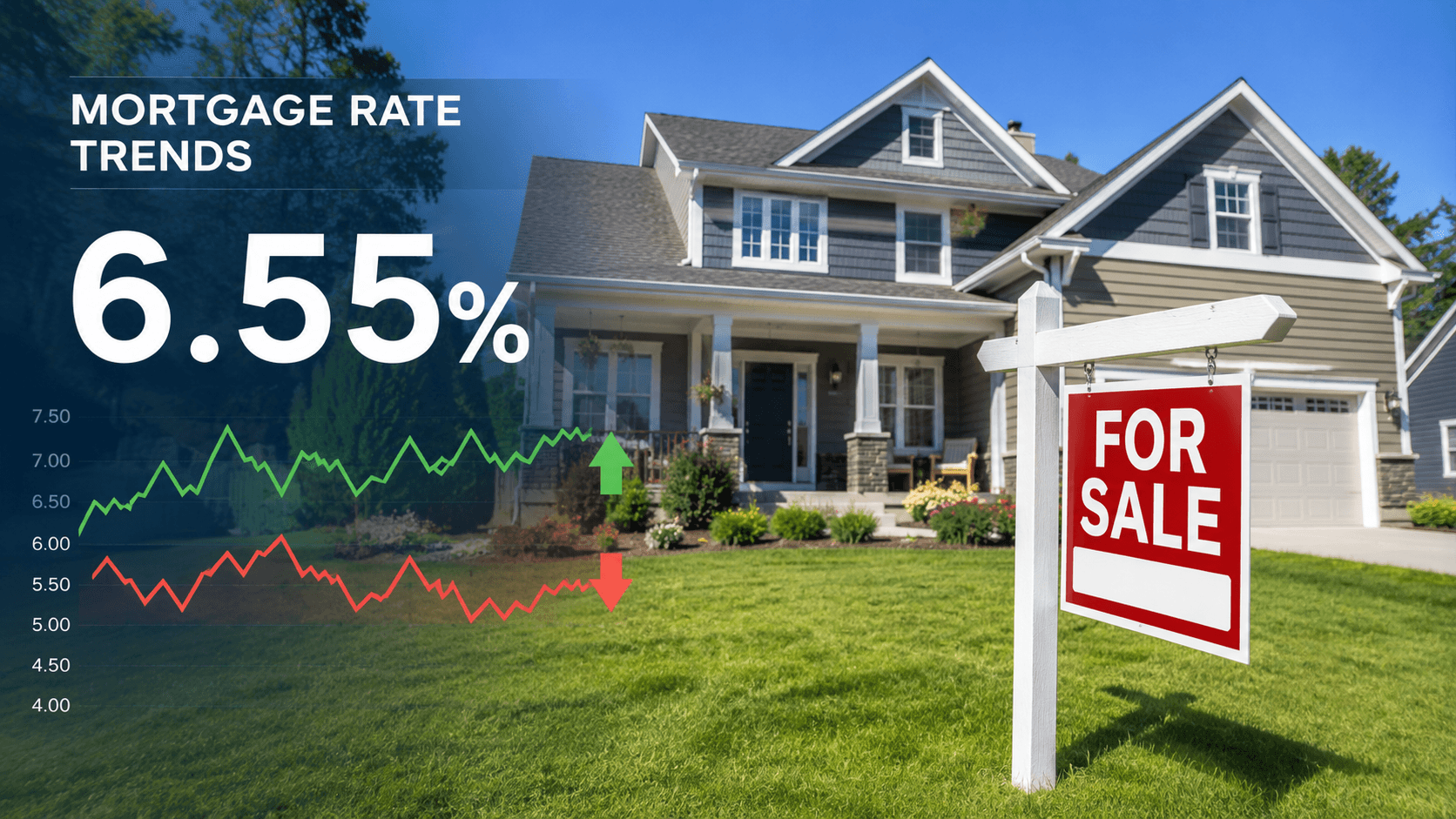
Mortgage rates inched up this week, with the 30-year fixed rate averaging 6.55%, up from 6.51% last week, according to Bankrate's latest lender survey. The increase comes as inflation spiked to 4.2% in May, the highest level since 2023, pushing mortgage rates further from the 6% threshold many homebuyers had been hoping for.
Current Mortgage Rate SnapshotHere are the latest mortgage rates as of June 10, 2026:
• 30-year fixed: 6.55% (up from 6.46% four weeks ago)
The 30-year fixed mortgages in this week's survey had an average total of 0.30 discount and origination points. Discount points allow borrowers to lower their mortgage rate, while origination points are fees lenders charge to create, review, and process loans.
About the Bankrate SurveyThe Bankrate.com national survey of large lenders is conducted weekly. To conduct the National Average survey, Bankrate obtains rate information from the 10 largest banks and thrifts in 10 large U.S. markets. In the Bankrate.com national survey, our Market Analysis team gathers rates and/or yields on banking deposits, loans and mortgages.
Bankrate has conducted this survey in the same manner for more than 30 years, and because it's consistently done the way it is, it gives an accurate national apples-to-apples comparison. Bankrate rates differ from other national surveys, in particular Freddie Mac's weekly published rates.
Each week Freddie Mac surveys lenders on the rates and points based on first-lien prime conventional conforming home purchase mortgages with a loan-to-value of 80%. Lenders surveyed each week are a mix of lender types, thrifts, credit unions, commercial banks and mortgage lending companies, roughly proportional to the level of mortgage business that each type commands nationwide.
The Cost of HomeownershipThe national median family income for 2026 is $106,800, according to the U.S. Department of Housing and Urban Development. The median price of an existing home sold in May 2026 was $429,300, according to the National Association of Realtors.
Based on a 20% down payment and the current 6.55% mortgage rate, the monthly principal and interest payment of $2,182 amounts to about 25% of the typical family's monthly income.
Home Prices Hit Record HighsMeanwhile, home prices continue to rise. The National Association of Realtors reported this week that the median home price was up 1.3% over the past year, with the median of $429,300 marking an all-time high for the month of May.
However, values have begun to dip in many formerly hot markets. The S&P CoreLogic Case-Shiller index released in late May showed national home prices grew just 0.7% in the past year, the weakest showing since 2011 when prices fell 3.9%.
"More than half of the 20 major U.S. housing markets recorded year-over-year price declines in March, reflecting a broadening and deepening housing slowdown," said Nicholas Godec of the S&P Dow Jones Indices.
What's Driving Rates Higher?Inflation spiked in May to 4.2%, the highest level since 2023. Oil prices have also surged amid ongoing conflicts, pushing inflation up and lifting mortgage rates from their 2026 low of 6.09%. The Federal Reserve has opted to hold its benchmark rate steady at recent meetings, but now it's possible the Fed might raise rates.
Rising inflation has been the main driver of higher mortgage rates, with the consumer price index pushing well above the Fed's 2% target.
The Outlook for 2026Housing economists no longer expect mortgage rates to fall below 6% in the near future, a reality that's affecting home sales. Higher mortgage rates, still-record home prices, and persistent inflation are likely to push the brakes further on home sales.
"We have a record-high level of jobs. We should have record-high levels of home sales, theoretically," said Lawrence Yun, chief economist at the National Association of Realtors. Instead, home sales remain well below normal levels.
What This Means for Michigan HomebuyersFor prospective homebuyers in Battle Creek and across Michigan, the combination of rates above 6.5% and record home prices means careful financial planning is essential. Buyers may need to adjust their expectations, consider smaller homes, or explore different financing options to make homeownership affordable.
Those who can afford to wait may benefit from monitoring rates closely, as any future Fed rate cuts could provide relief. However, with inflation remaining stubbornly high, significant rate drops appear unlikely in the immediate future.
Frequently Asked QuestionsQ: What is the current average 30-year mortgage rate?
Q: Why are mortgage rates staying above 6%?
Q: Are home prices still rising? |
Stay up to date with our local news!
Get articles like this delivered to your inbox.
Subscribe Now
Sep 9, 2026
Tower of Power at FireKeepers
Holiday and Hits Tour arrives Dec. 10.

Sep 9, 2026
Battle Creek home fire reported
Official details remain pending.

Sep 9, 2026
One Final Meal at Clara’s on the River | Cereal City Buzz
A firsthand look at one final meal at Clara’s on the River in Battle Creek, including the food, service, memories and what may come next.
Sep 9, 2026
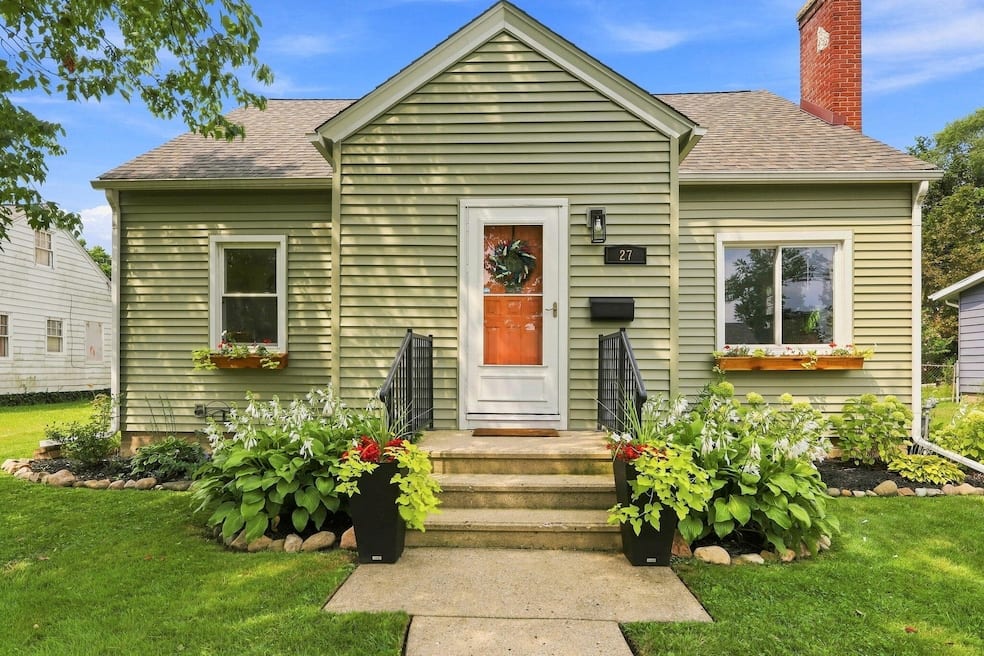
27 26th St N Battle Creek Home | Cereal City Buzz
Explore a $225,000 Lakeview home at 27 26th St N in Battle Creek with 3 bedrooms, hardwood floors, a fenced yard, garage, and no HOA.
0 Comments
Join the conversation
Be the first to comment
Share your thoughts above.