
Subscribe
Andrew Yang Warns AI Could Create 'Epic, Unprecedented' Economic Inequality
Former presidential candidate says universal basic income will be necessary as AI transforms the workforce
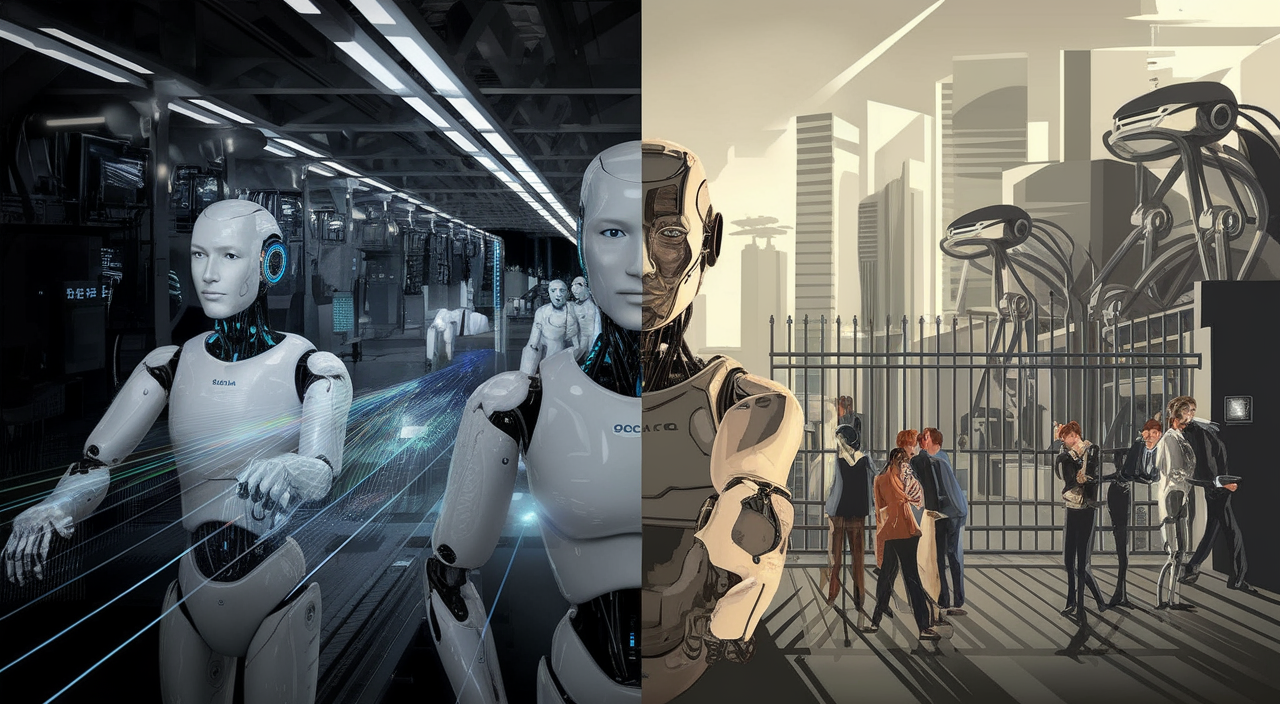
Artificial intelligence is already reshaping America's job market, and former presidential candidate Andrew Yang believes the consequences could be severe for working families.
In a recent interview on The New York Times' "Hard Fork" podcast, Yang warned that AI technology, combined with America's current economic structure, could lead to "inequality on an epic, unprecedented scale."
The Growing Divide
Yang painted a stark picture of the future: "We're going to have our first trillionaire. The folks at the top stratum of American life are going to get richer and richer. It's going to compound over itself."
Meanwhile, he noted, many families will struggle. "There are going to be a lot of families wondering what the heck happened. My kids studied hard, there's no job, they have these school loans, they're in my basement, they're getting depressed."
AI Layoffs Already Beginning
AI-related job losses are not a distant threat—they're happening now. Companies across multiple industries have begun laying off workers as they implement AI technologies that can perform tasks previously done by humans.
According to Yang, this trend will only accelerate, affecting workers at all skill levels.
The Solution: Universal Basic Income
Yang argues that universal basic income policy will be "necessary" to address these challenges. During his 2020 presidential campaign, Yang introduced the Freedom Dividend—a program that would provide all American adults with $1,000 per month, no strings attached.
The concept received pushback from some lawmakers, including Senator Bernie Sanders, who suggested guaranteed federal jobs as an alternative.
Tech Leaders Join the Chorus
Yang is not alone in his concerns. Elon Musk, CEO of Tesla and SpaceX, has also advocated for what he calls "universal high income"—federal government checks funded by the economic gains from AI and robotics.
Musk argues that "AI/robotics will produce goods and services far in excess of the increase in the money supply, so there will not be inflation."
Taxing AI to Fund Solutions
During his interview, Yang proposed a specific funding mechanism: "There should 100% be a tax on AI. It should be going out to people and workers in various ways. We should try and find ways to get off of taxing human labor."
He summed up his approach simply: "Tax AI. Tax the bots. Don't tax humans."
The Debate Continues
Lawmakers remain divided on basic income. Supporters believe it could provide economic stability in an era of rapid technological change. Critics worry it could discourage work and prove expensive to fund.
As AI continues to transform the economy, the question of how to ensure prosperity for all Americans—not just those at the top—will likely remain a central policy debate.
Frequently Asked Questions
Q: What is universal basic income?
Q: Why does Andrew Yang think AI will increase inequality?
Q: What other tech leaders support universal basic income? |
Stay up to date with our local news!
Get articles like this delivered to your inbox.
THIS PUBLICATION SPONSORED BY